

On this page 10 sections
The cheapest room makeover follows a simple order: edit and rearrange what you already own, then paint, fix the lighting, get the rug and curtains right, and only then buy a few key pieces, ideally secondhand. Big surfaces and light change a room the most; small accessories change it the least. This guide walks through each step, what to spend on and what to skip, with a sample plan you can copy.
Start with the free changes
Before you buy anything, take almost everything out that isn’t furniture. Clear surfaces, empty the shelves, take the art down. Live with the bare room for a day or two. You’ll see the room’s real shape, and you’ll probably find that some of what you took out doesn’t need to come back.
Then rearrange. The most common free improvements:
- Pull furniture off the walls. A sofa and chairs grouped around a rug, even a few centimeters away from the wall, make a tighter, friendlier seating area than pieces lined up around the edges.
- Face the focal point. Turn seating toward the window, fireplace or the wall you want people to look at. If the room has no focal point, decide which wall will become one.
- Clear the walkways. Main paths through a room should be about 75–90 cm (30–36 in) wide. If you’re squeezing past a chair every day, move it.
- Swap things between rooms. The lamp in the spare room, the mirror in the hall and the plant on the landing may work harder in the room you’re redoing.
If you’re starting from a bare room rather than a tired one, our step-by-step guide to furnishing an empty room covers the order in more detail.
Where to spend: changes ranked by impact
Costs vary hugely by country, shop and size of room, so the table below compares changes against each other rather than giving prices.
| Change | Relative cost | Visual impact | Notes |
|---|---|---|---|
| Declutter and rearrange | Free | High | Always do this first |
| Paint walls | Low | Very high | Doing it yourself saves the most |
| New bulbs and lamps | Low to medium | High | Warm bulbs, several light sources |
| Curtains hung higher and wider | Low to medium | High | Often just a new rod and longer panels |
| A rug that fits the seating | Medium | High | Size matters more than pattern |
| Cushion covers and a throw | Low | Medium | Reuse the inserts you have |
| Hardware (handles, knobs) | Low | Medium | Big change on old cabinets and dressers |
| Frames and art | Low to medium | Medium | Matching frames make cheap prints look intentional |
| Plants | Low | Medium | Choose ones that suit your light |
| A new sofa | High | High | Last, and only if the old one truly doesn’t work |
Paint: the biggest change for the money
Walls are the largest surface you can change, so paint does more than any single purchase. A few rules that save money and regret:
- Test before you buy. Paint large samples (at least A4 or letter-size, bigger is better) on two or three walls and look at them in morning light, evening light and lamplight. Colors shift a lot between them.
- Check the undertone against what’s staying. Your floor, sofa and kitchen cabinets won’t change. A cool grey can look dirty next to a warm oak floor; a creamy white can look yellow beside cool white tiles.
- Pick the finish for the room. Flat or matte hides wall imperfections; eggshell or satin wipes clean more easily in halls, kitchens and children’s rooms. Trim and doors usually take satin or semi-gloss.
- Don’t forget the ceiling and woodwork. Fresh white on yellowed trim and a dingy ceiling can make an old room look new, even if the walls stay the same color.
Can’t paint? Change what sits against the walls instead: a large rug, full-length curtains and a big piece of art cover more visual area than you’d expect.
Fix the lighting
A single overhead light makes most rooms flat and harsh. The budget fix is to add light at different heights:
- Two or three lamps around the room: a floor lamp by the sofa, a table lamp on a side table or shelf, maybe a small lamp in a dark corner.
- Warm bulbs, around 2700–3000K, for living rooms and bedrooms.
- A new shade on an existing ceiling fitting. A paper lantern or woven shade is inexpensive and changes the feel of the whole room.
- Plug-in wall lights where you can’t add wiring.
For a deeper dive, see our guide to lighting a room in layers.
Get the rug and curtains right
These two are where budget makeovers most often go wrong, because the cheap option is usually the wrong size.
Rugs. A rug should be big enough for at least the front legs of the sofa and chairs to sit on it. In a typical living room that means at least 160 × 230 cm (about 5 × 8 ft), and often 200 × 300 cm (about 6.5 × 10 ft) or 240 × 300 cm (about 8 × 10 ft). A smaller rug floating in the middle of the floor makes the furniture look like it’s drifting apart. If a large rug is out of budget, a plain flat-woven or jute rug in the right size beats a beautiful one that’s too small. You can also layer a smaller patterned rug on top of a cheap large one. Our rug size guide has the details room by room.
Curtains. Hang the rod well above the window, about 10–15 cm (4–6 in) above the frame or higher, up to just below the ceiling, and let it extend 15–30 cm (6–12 in) past each side. Panels should reach the floor. This makes windows look taller and wider and lets in more light when the curtains are open. Off-the-shelf panels in long lengths are usually cheaper than made-to-measure, and you can hem them.
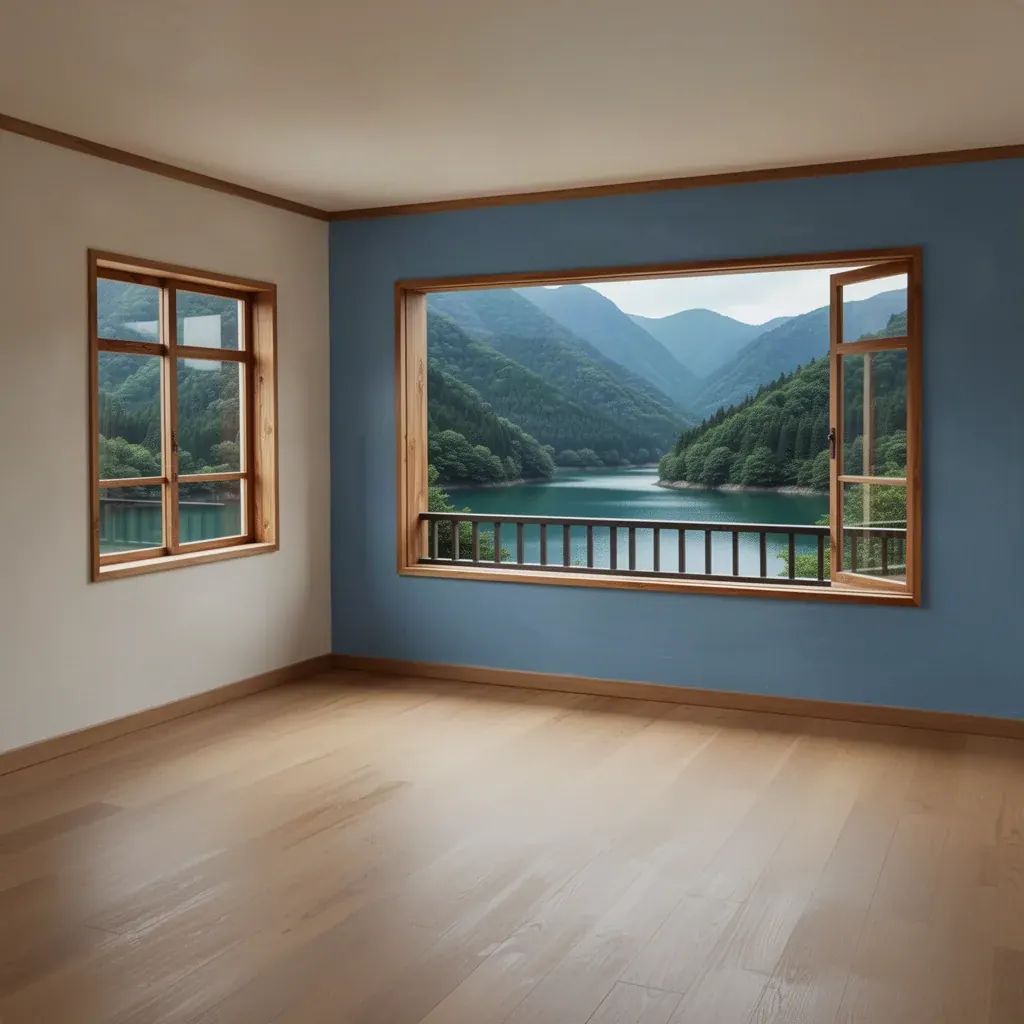
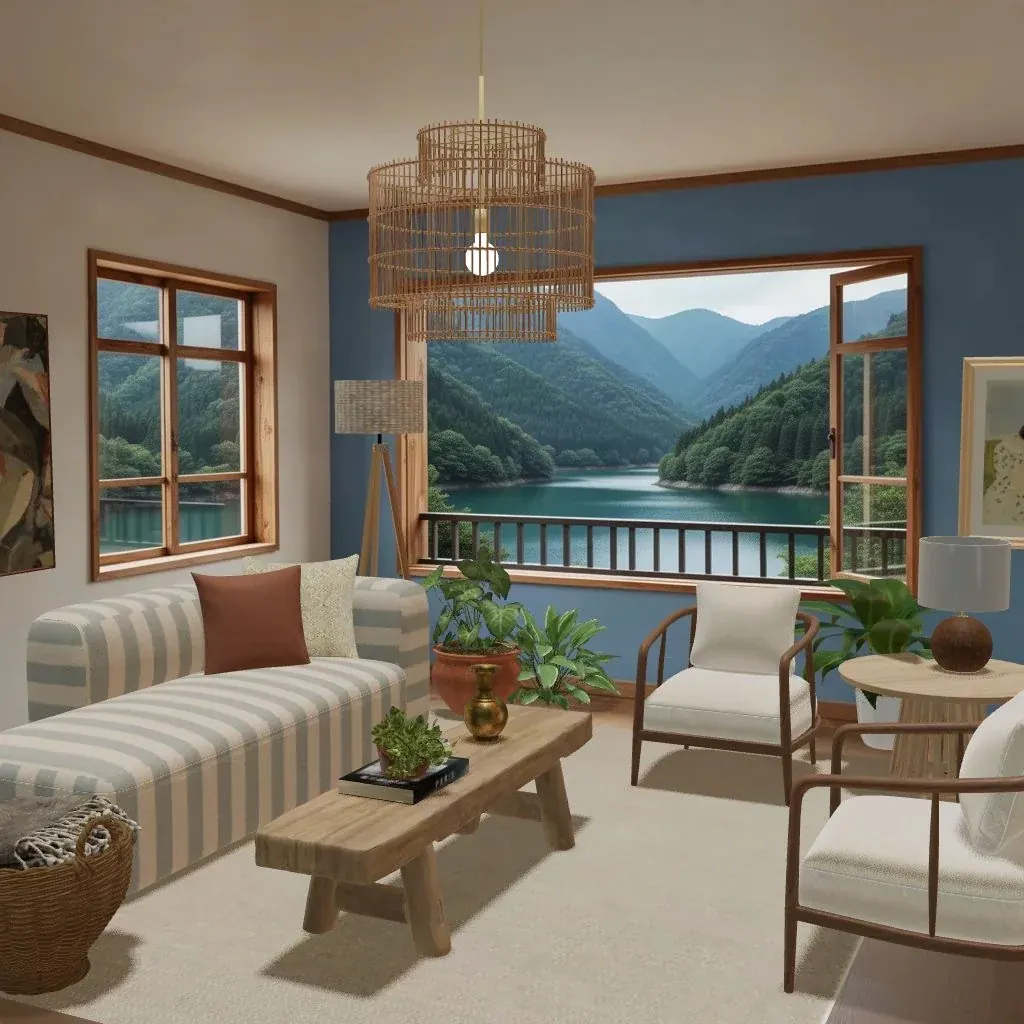
That before-and-after is a good reminder of where the change comes from. The walls, floor and windows are identical in both pictures. The difference is a big pale rug that holds the seating together, a striped sofa with two armchairs opposite it, a large rattan pendant, a tripod floor lamp and a table lamp.
Buy secondhand, and buy the right things secondhand
Flea markets, charity shops, auctions and online marketplaces are the best way to stretch a budget. Some pieces are better bets than others.
Good secondhand buys:
- Solid wood dressers, sideboards, tables, bookcases and chairs. They last, and a sand and a coat of paint or oil changes them completely.
- Mirrors and frames. Swap the print, keep the frame.
- Lamps (have old wiring checked, or rewire them).
- Ceramics, vases, baskets and books for shelves.
Buy with care:
- Upholstered sofas and chairs. Check the frame (it shouldn’t rock or creak), the cushions, and for smells, stains or pests.
- Mattresses: most people prefer to buy these new.
When you shop, take your room measurements and a few photos of the room with you, and measure doors and stairs before you buy anything large.
Small upgrades that punch above their weight
- New handles and knobs on a dresser, kitchen cabinets or a wardrobe.
- Matching frames. Several inexpensive prints in the same frame color and with the same spacing look like a planned set. Our guide to hanging art covers heights and spacing.
- Cushion covers. Keep the inserts, change the covers with the seasons.
- Plants. One large plant does more than five tiny ones.
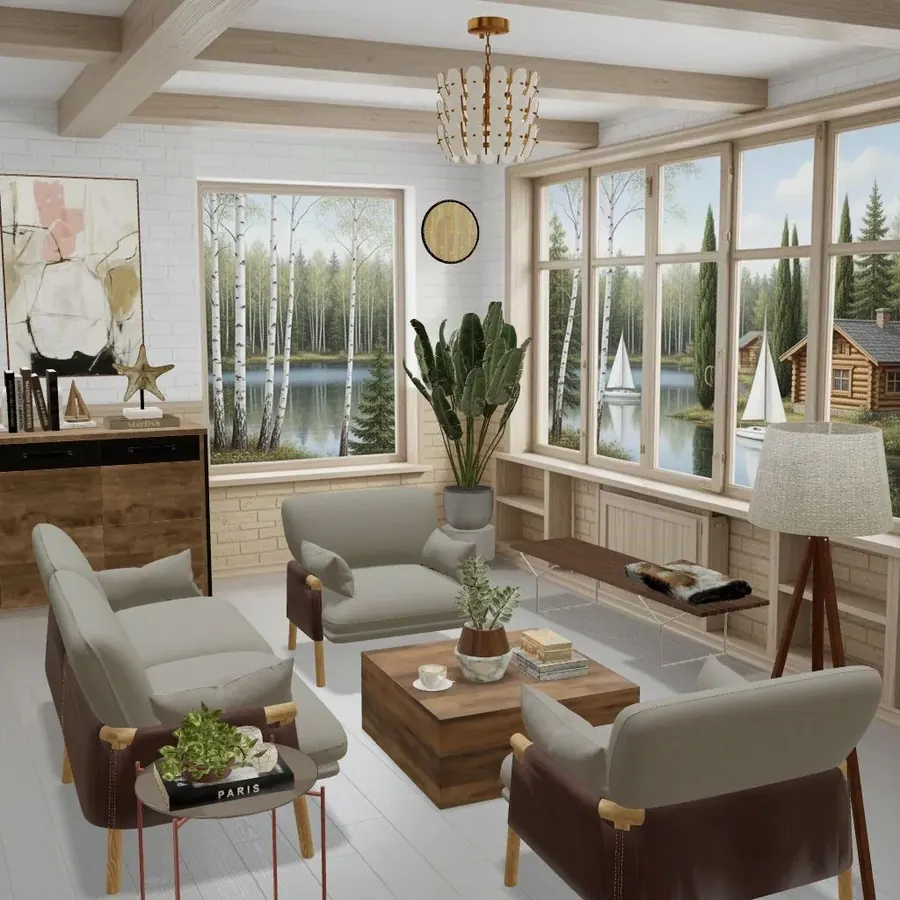
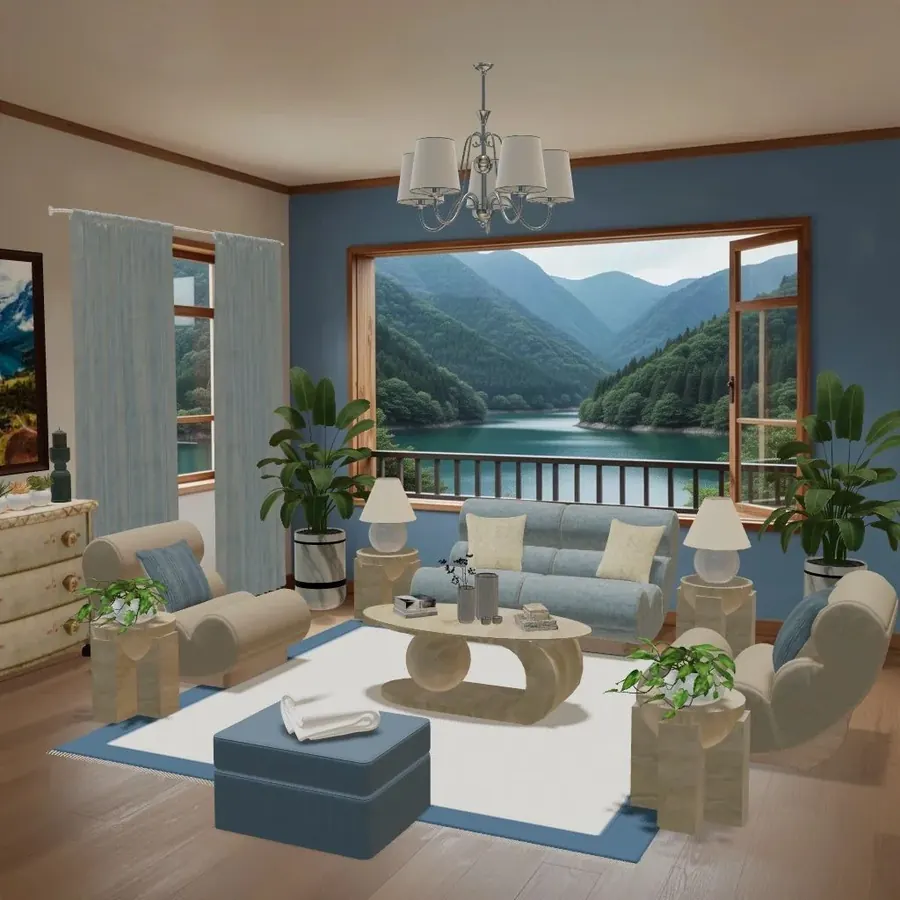
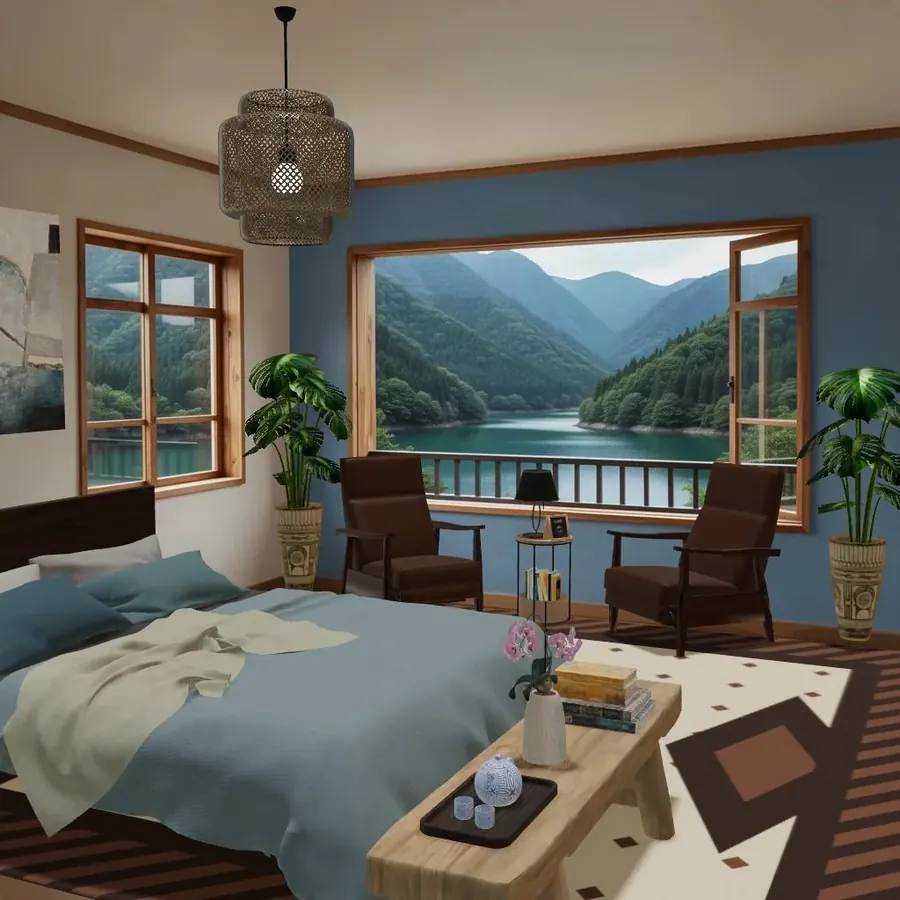
- Repeat one color. Pick an accent and use it three or four times around the room. In the cover image, the blue of the wall comes back in the sofa, the rug border, the ottoman and the cushions, which is why a fairly simple room looks pulled together.
A sample plan: a tired living room in four weekends
Weekend 1: edit. Empty surfaces and shelves, remove anything broken or unloved, rearrange the seating around the focal point, sell or donate what’s left over.
Weekend 2: walls. Test samples, then paint walls, trim and ceiling.
Weekend 3: light and windows. Add two lamps with warm bulbs, change the ceiling shade, rehang curtains higher and wider.
Weekend 4: floor and finishing. Lay a rug that fits the seating, add cushion covers, a throw, one large plant and art in matching frames. Note what’s still missing and hunt for it secondhand over the following weeks rather than buying everything at once.
Budget mistakes to avoid
- Buying accessories first. Small decor bought before the layout and colors are settled rarely ends up fitting.
- Buying a cheap rug in the wrong size. It’s the purchase people most often replace.
- Matching everything from one shop. A room bought in one go from a single store can look like a showroom. Mixing new, old and secondhand pieces looks more personal.
- Skipping the measuring. Measure the room, the furniture and the route in.
- Ignoring the bulbs. Cool white bulbs can undo a carefully chosen paint color.
Try it in Cozee
If you want to test a layout or a furniture color scheme before spending anything, Cozee is a free interior design game for iPhone and Android where every room starts empty and you furnish it with real 3D furniture and decor. You can drag in sofas, rugs, lamps, plants and art, move them around until the room works, then see how other players designed the same room. For the theory behind a calm, coherent room, read our guide to color theory for rooms next.
Questions people ask
What is the cheapest way to transform a room?
Clear it out and rearrange it. Removing clutter and pulling furniture into a better layout costs nothing and often changes a room more than a new purchase. After that, paint and better lighting give the most visible change for the money.
What should I spend money on first in a room makeover?
Spend first on the things you see and use most: lighting, a rug that is big enough, and curtains that fit the window properly. Decorative accessories should come last, once the big shapes in the room are working.
Is it worth buying secondhand furniture?
Often, yes, especially for solid wood pieces like dressers, sideboards, tables, bookcases and chairs, which are built to last and easy to refinish. Be more careful with mattresses and upholstered pieces: check them closely for wear, smells and pests, or budget for cleaning or reupholstering.
How can I update a rented room without losing my deposit?
Focus on things you can take with you: lamps, rugs, curtains on tension or existing rods, freestanding shelving, plants and art leaned on shelves or hung with removable strips. Ask your landlord before painting; some agree if you return the walls to the original color.
Does painting a room really make a big difference?
Yes. Walls are the largest surface in most rooms, so a new color changes the mood more than any single piece of furniture. Test large samples on two or three walls and look at them morning and evening before you commit.
Try it in an empty room first
Cozee is a free interior design game for iPhone and Android. Pick an empty 3D room, fill it with real furniture, and see what the community thinks.
4.7 on the App Store · Free, with optional in‑app purchases