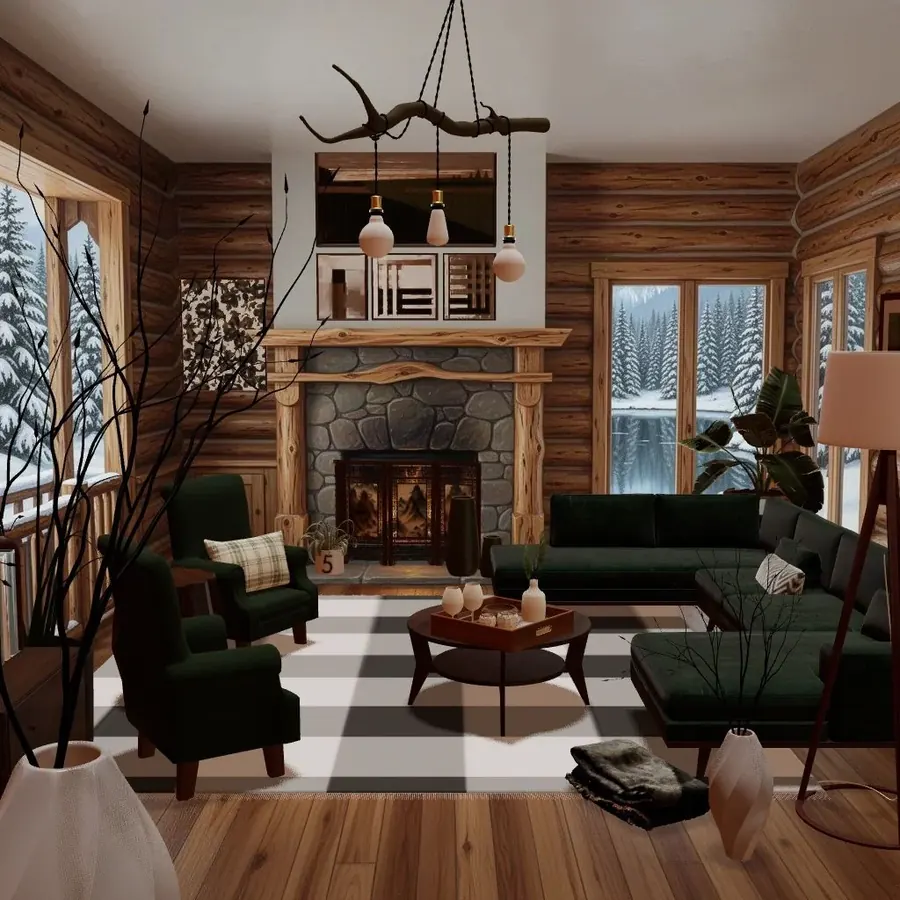


On this page 9 sections
A cozy reading nook needs only four things: a seat you can sit in for an hour, a good lamp at your shoulder, somewhere to put a cup and a book, and a sense of being slightly tucked away. Get those right and the nook will be used every day; skip one and it becomes a pretty corner that collects laundry. Here’s how to plan each part, with sizes and examples.
Find the right spot
The best nooks feel a little enclosed. Look for:
- A window, especially one with a deep reveal or a bay. Daylight is the best reading light there is.
- A corner where two walls give you something to lean into.
- An alcove beside a chimney breast, under the stairs, or at the end of a landing.
- The quiet side of a bigger room, away from the TV and the main walking route.
Avoid spots in front of a radiator (unless you’re planning a window seat with a vented front), in a draft, or right in a doorway. If you can see the TV from the nook, you’ll probably end up watching it.
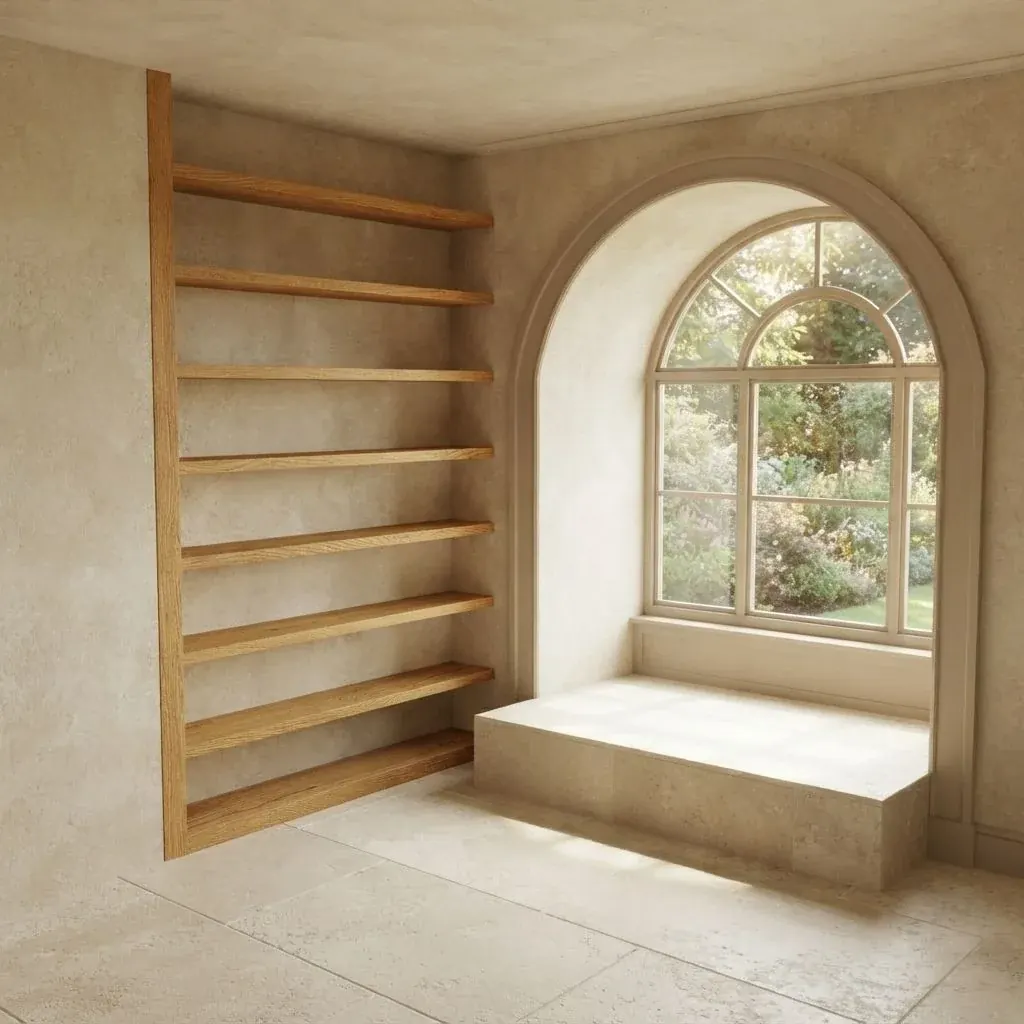
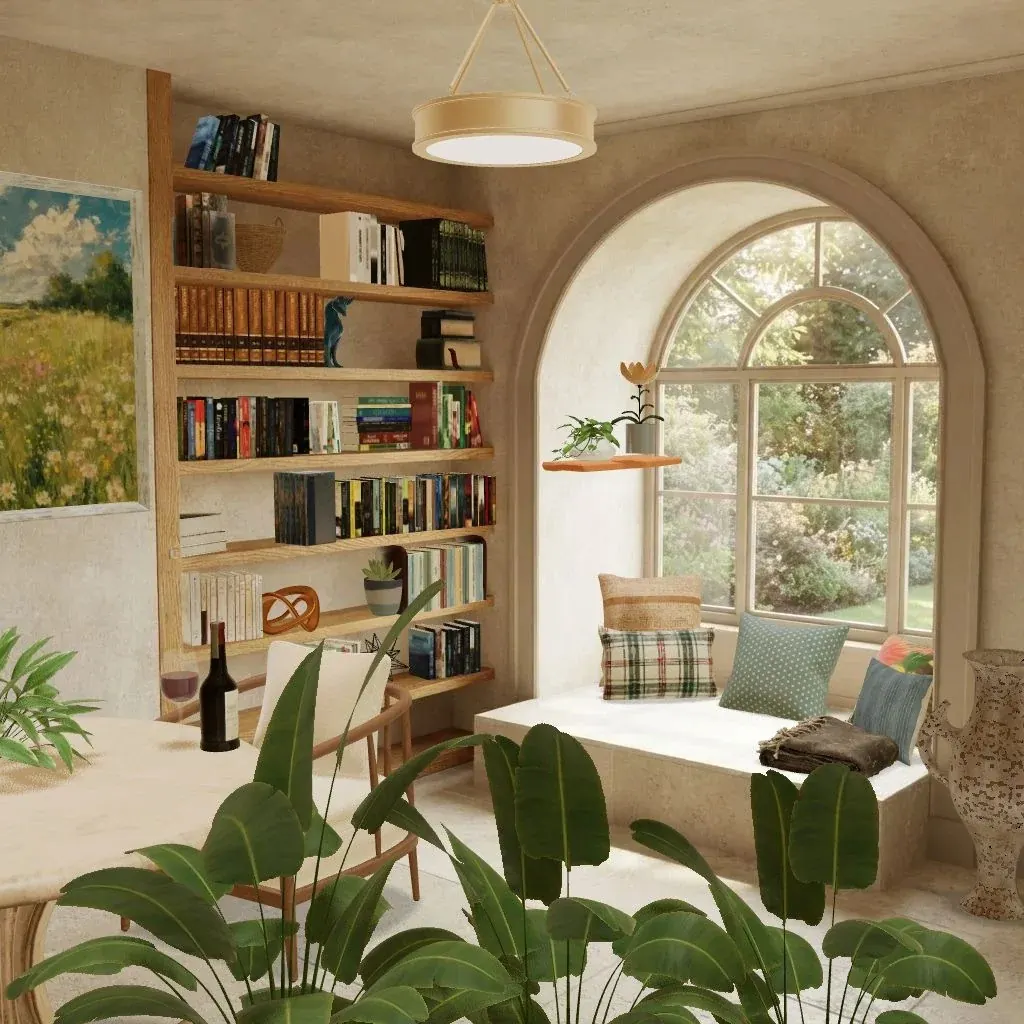
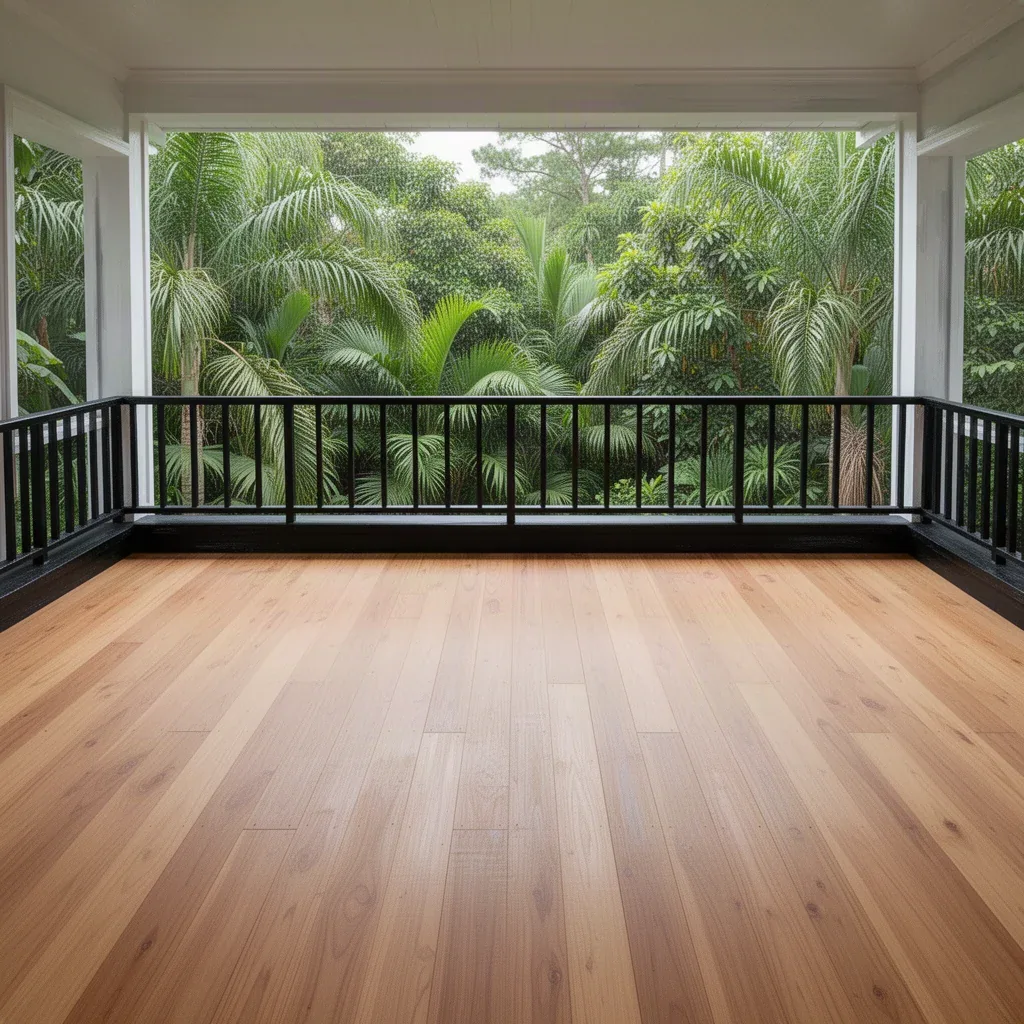
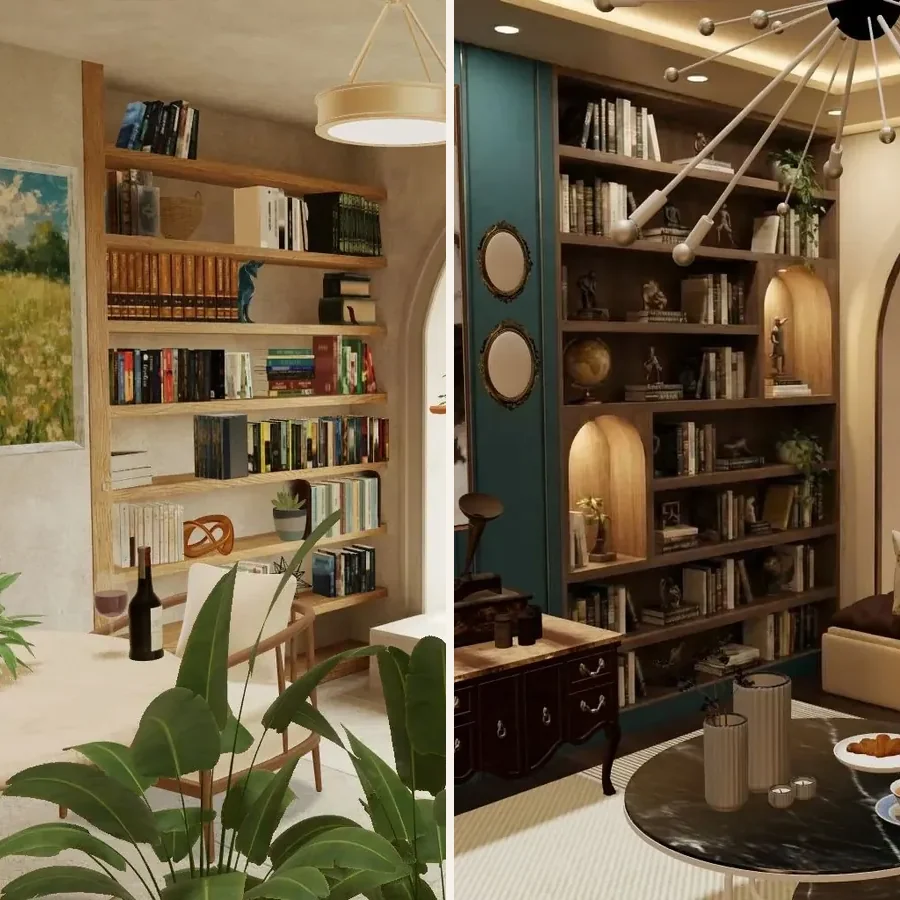
The empty version of this room already had the bones: a deep arched window, a built-in stone seat and a tall run of oak shelves. The design simply finishes them with cushions, books, plants and a pendant, which is the approach to take at home, too. Work with the architecture you have rather than against it.
Choose a seat you’ll stay in
Armchair
A reading chair should support your back and let you tuck your feet up. Look for:
- Seat height around 40–45 cm (16–18 in).
- Seat depth of at least 50–55 cm (20–22 in), more if you like to curl up.
- Arms wide enough to rest an elbow or a mug.
- A footstool or ottoman. It turns a good chair into a great one.
Wingback chairs, low lounge chairs and slightly oversized “chair and a half” designs are all classic choices.
Window seat
A built-in window seat makes the most of a bay or deep window.
- Seat height: about 45 cm (18 in), including the cushion.
- Depth: 45–60 cm (18–24 in). Deeper than 60 cm and it becomes a daybed, which is also nice.
- Cushion: at least 7–10 cm (3–4 in) of firm foam, covered in a removable, washable fabric.
- Back support: a row of big cushions, or a bolster at each end.
- Storage: drawers or lift-up lids underneath are perfect for books, blankets and board games.
If there’s a radiator under the window, a window seat can still work with a slatted or grilled front panel so the heat gets out.
Daybed or floor cushions
In a deep alcove, a daybed lets you read lying down. For a more relaxed or children’s nook, a thick floor cushion with a beanbag or large pillows works well and costs very little.
Get the light right
This is where most reading nooks fail. Light from the ceiling casts your own shadow on the page.
- Put a floor lamp beside and slightly behind the chair, so the light comes over your shoulder. The bottom of the shade should sit roughly at shoulder or eye height when you’re seated.
- A lamp with an adjustable arm or swing head lets you aim light at the page.
- A wall-mounted swing-arm light is ideal for window seats and tight spots, because it takes up no floor or table space.
- Use a bulb of about 2700–3000K. Very warm bulbs (2200K) are cozy but can feel dim for small print.
- Add one softer light nearby, such as a pendant, a small table lamp or a picture light on the shelves, so the reading lamp isn’t the only bright spot in a dark room.
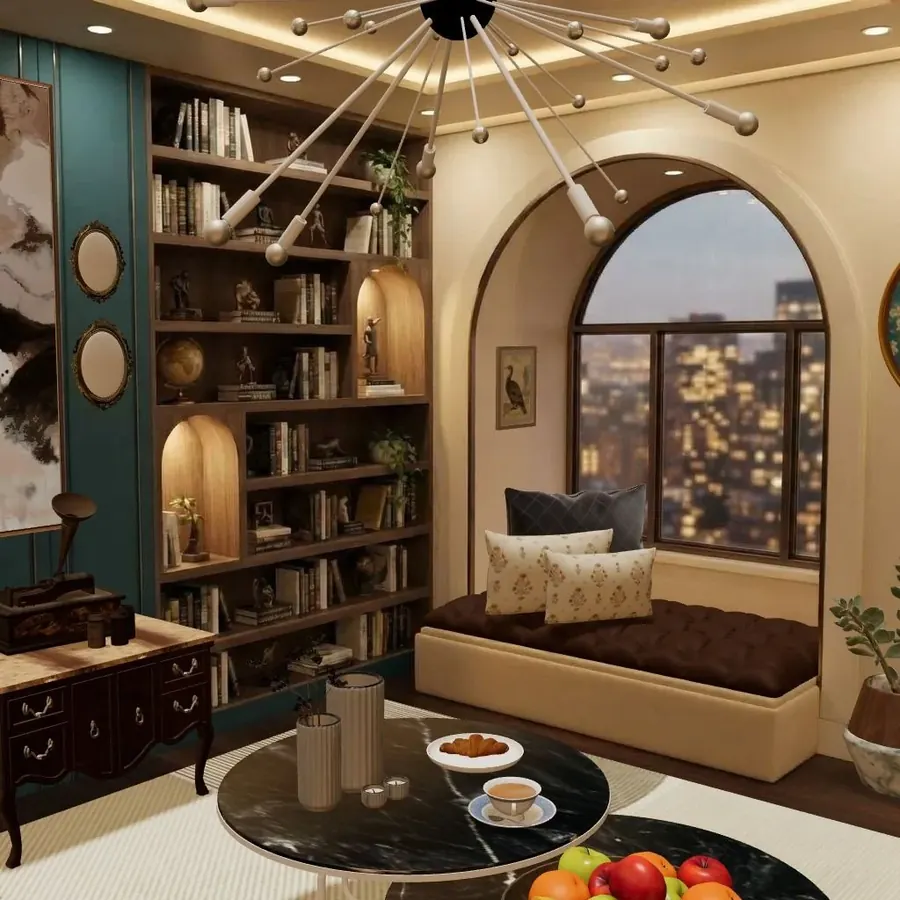
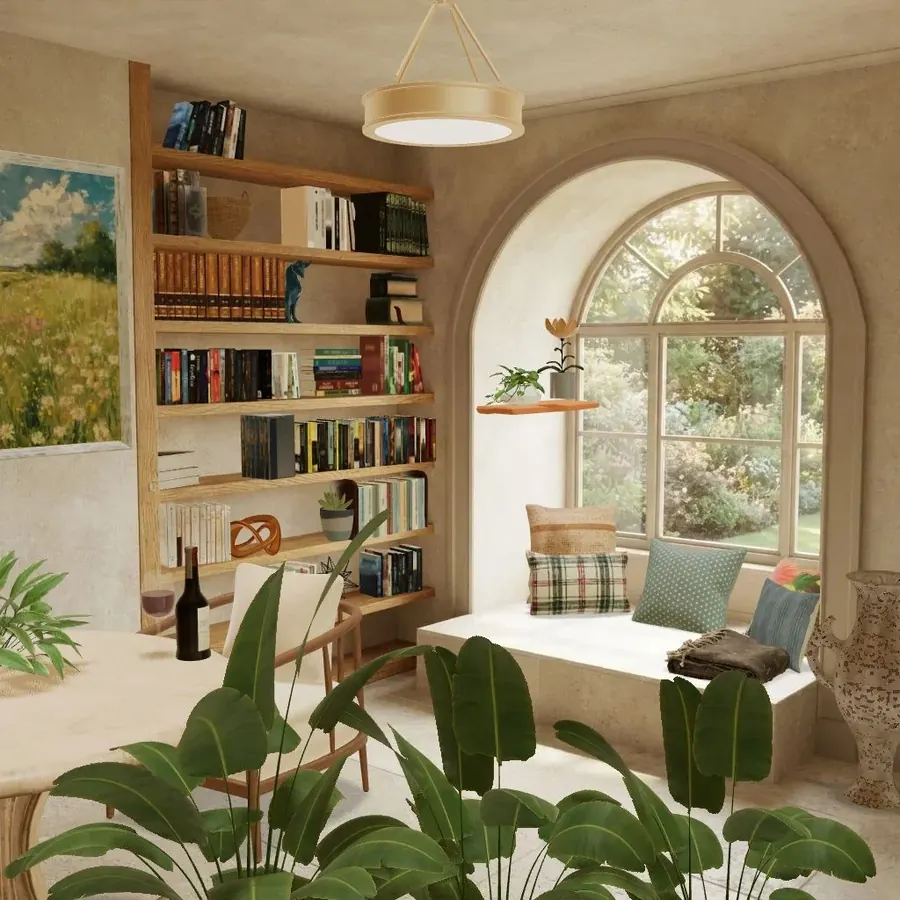
In the library nook above, a chandelier gives the overall glow, and the small round table puts tea and fruit within arm’s reach of the window seat. That table matters as much as the lamp.
Store the books (and the cup)
- Shelf depth: 25–30 cm (10–12 in) suits most hardbacks and paperbacks. Art books and large atlases need 30–35 cm (12–14 in).
- Shelf spacing: about 25–30 cm (10–12 in) between shelves for standard books, with one or two taller gaps for big books and objects.
- Span: long shelves sag. With standard 18 mm (¾ in) boards, keep unsupported spans to around 75–80 cm (30–32 in), less for heavy hardbacks or chipboard.
- Side table: about the height of the chair arm, within easy reach. A small round table is easier to walk around than a square one.
For a styled-but-lived-in look, mix upright books with a few horizontal stacks, then add a plant, a small framed picture or a ceramic piece every couple of shelves. Fill shelves about three-quarters full; packed solid looks heavy, half-empty looks unfinished.
Make it soft
- A small rug under the chair or in front of the window seat marks the nook as a separate place.
- One throw within reach, in wool or chunky knit for winter, cotton or linen for summer.
- Cushions in two or three textures. A lumbar cushion helps on a deep chair.
- Curtains in a bay window or alcove add enclosure in the evening and cut drafts from the glass.
Add plants and a few personal things
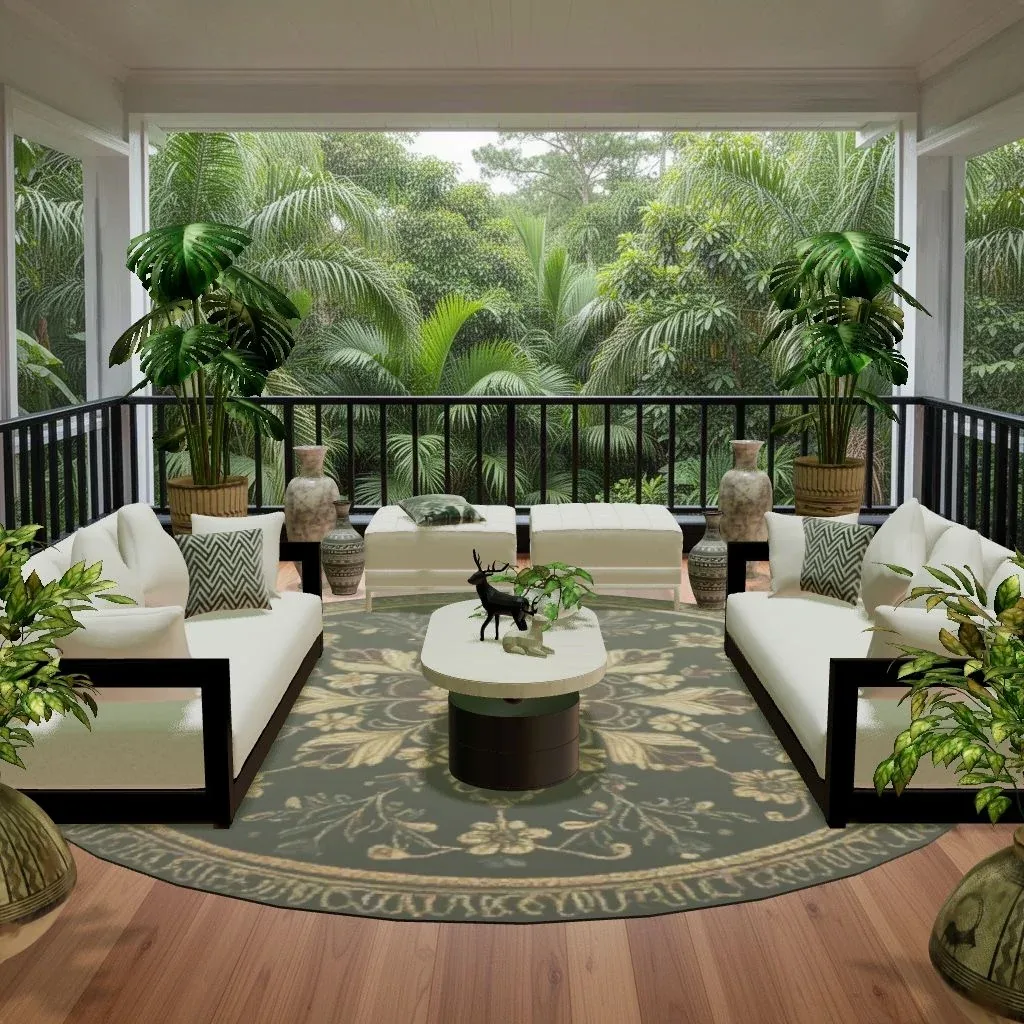
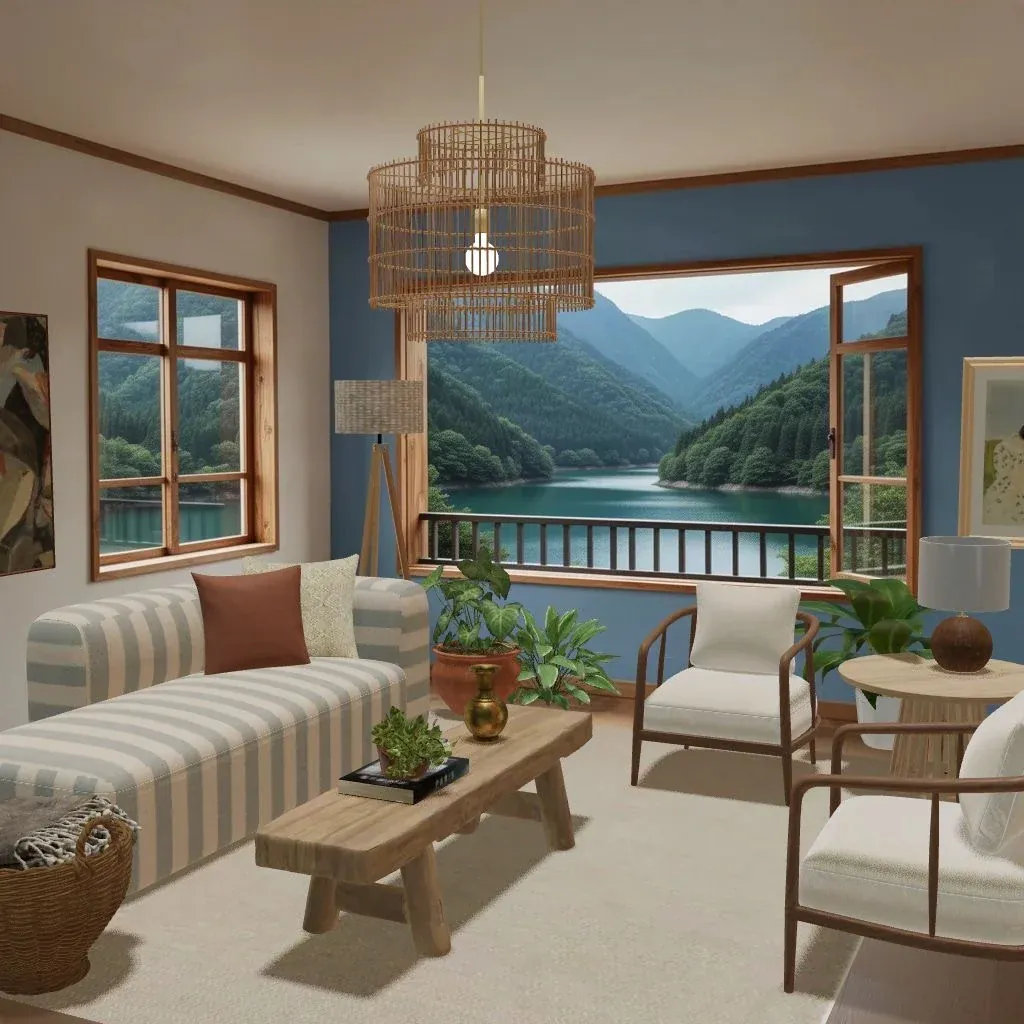
Reading nooks are often next to windows, which makes them good spots for plants. In bright, indirect light, a large monstera, a rubber plant or a Kentia palm adds the leafy, sheltered feeling you can see in the cover image. On a shaded shelf, try pothos or a heartleaf philodendron trailing down (both are toxic to pets, so keep them up high if you have cats). A landscape painting or a couple of framed prints gives the eye somewhere to rest when you look up from the page.
Reading nook ideas by space
| Space | What to do |
|---|---|
| Bay window | Built-in seat with drawers, cushions on three sides, a swing-arm wall light |
| Living room corner | Armchair and footstool on a small round rug, floor lamp behind, narrow shelf on the wall |
| Bedroom | Chair by the window opposite the bed, so the nook doesn’t feel like more bed |
| Under the stairs | Built-in bench or floor cushions, shelves on the stair side, a plug-in wall light |
| Landing or hallway end | Slim bench or small chair, wall-mounted ledges for books, a picture light |
| Children’s room | Floor cushions or a low tent, front-facing book ledges so covers are visible |
Common mistakes
- No lamp, or the wrong lamp. A ceiling light is not a reading light.
- A beautiful chair that’s too upright or too shallow. Sit in it for ten minutes before you buy.
- Nowhere for the cup. Without a side table or a wide arm, the nook gets abandoned.
- Placing it on a walkway. People passing in front of you every few minutes ruins the “tucked away” feeling.
- Over-styling the shelves. Leave room for the books you’ll actually read next.
Try it in Cozee
Cozee is a free design game for iPhone and Android where you style empty 3D rooms with real furniture and decor, and a reading nook is one of the rooms you can design. It’s a relaxed way to try ideas like a window seat with heaped cushions versus an armchair and floor lamp before you commit at home. When you submit, other players rate your design, and you can see how they styled the very same nook in the community feed. If you’ve never played, here’s how it works.
Want more ideas for soft, low-lit rooms? See our guides to cozy bedrooms, the Japandi style and how to furnish an empty room.
Questions people ask
How big does a reading nook need to be?
Smaller than you might think. A comfortable armchair, a small side table and a lamp fit in roughly 120 × 120 cm (4 × 4 ft). A window seat needs about 45–60 cm (18–24 in) of depth and enough length to sit with your legs up, ideally 150 cm (60 in) or more.
What is the best light for reading?
A lamp positioned beside and slightly behind you, so light falls onto the page without glare, with a warm-to-neutral bulb (about 2700–3000K). Daylight from a window is lovely during the day, but you still need a lamp for evenings and grey afternoons.
How do I make a reading nook in a small apartment?
Claim a corner, the space beside a window or the end of a hallway. One chair, one lamp and a narrow shelf or wall-mounted ledge are enough. A small rug and a curtain or tall plant help mark it off as its own spot.
Is a window seat comfortable for reading?
It can be, if the cushion is thick enough (at least 7–10 cm / 3–4 in of foam) and there is something to lean back on, such as large cushions against the window reveal or the side wall. Without back support, most people end up slouching after a few minutes.
Try it in an empty room first
Cozee is a free interior design game for iPhone and Android. Pick an empty 3D room, fill it with real furniture, and see what the community thinks.
4.7 on the App Store · Free, with optional in‑app purchases