

On this page 5 sections
An interior design style is a shared set of choices: colors, materials, furniture shapes and how full or empty a room feels. Once you can name the ten common looks and spot their signature pieces, it becomes much easier to shop, to explain what you want, and to stop buying things that never quite fit together. Below you’ll find all ten compared side by side, then a practical way to work out which one is yours.
The ten styles at a glance
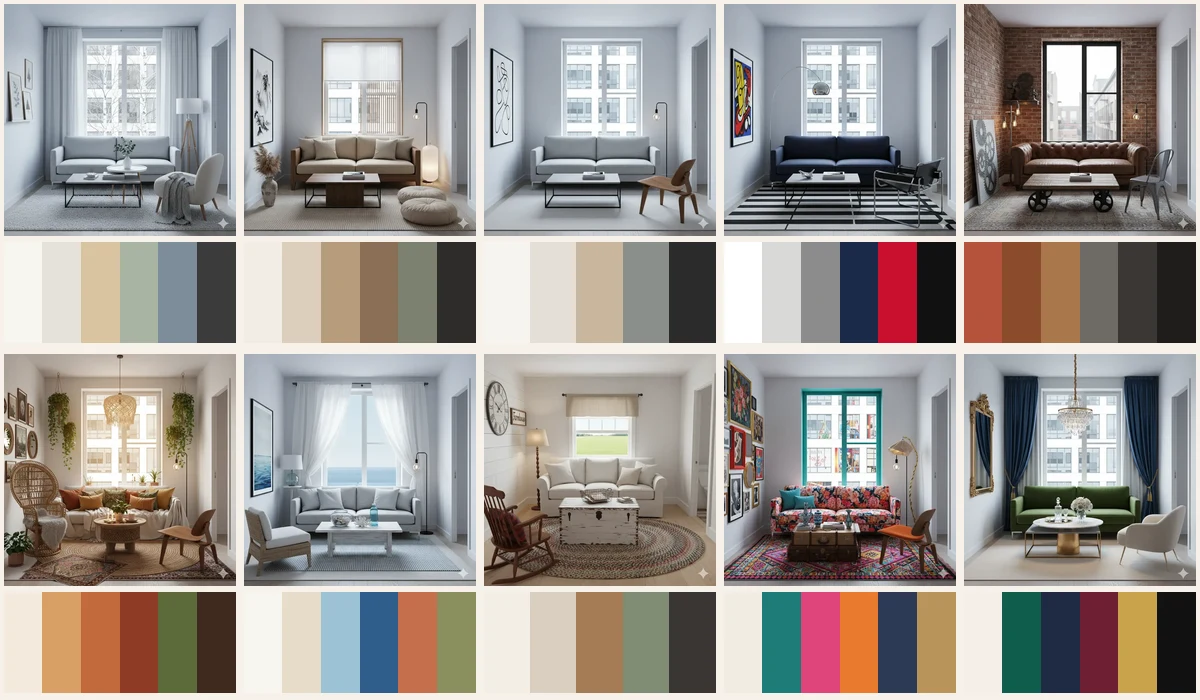
Every style here could fill a book, so this table sticks to the details that actually help you tell them apart in a photo or a shop.
| Style | Mood | Colors | Materials | Signature piece |
|---|---|---|---|---|
| Scandinavian | Light, calm, cozy | White, pale grey, soft wood tones | Light oak, birch, wool, linen | A simple light-wood chair with a sheepskin |
| Japandi | Quiet, grounded | Warm beige, clay, charcoal, muted green | Oak, walnut, paper, stone, linen | A low sofa and a paper floor lantern |
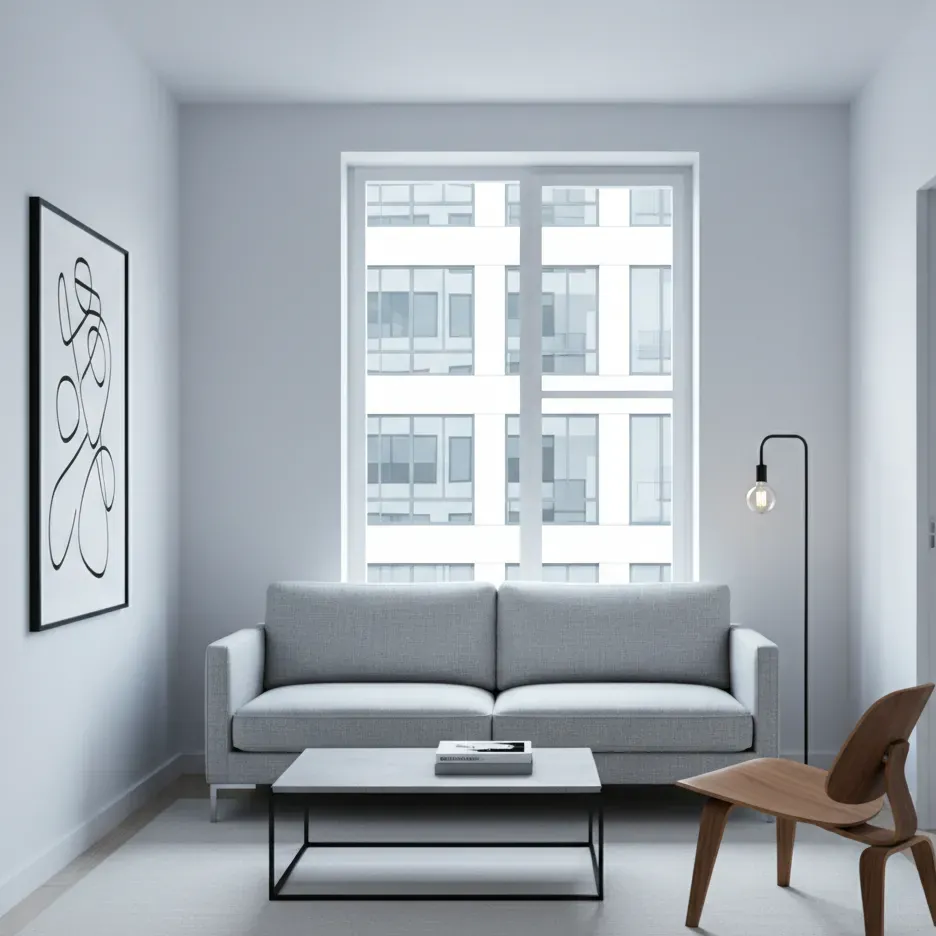
| Minimalist | Spare, ordered | Neutrals, often one dark accent | Smooth surfaces, metal, plain fabric | Bare surfaces and one piece of art |
| Modern | Crisp, graphic | Black, white, primary or deep accents | Chrome, glass, leather, lacquer | A chrome arc lamp or a leather sling chair |
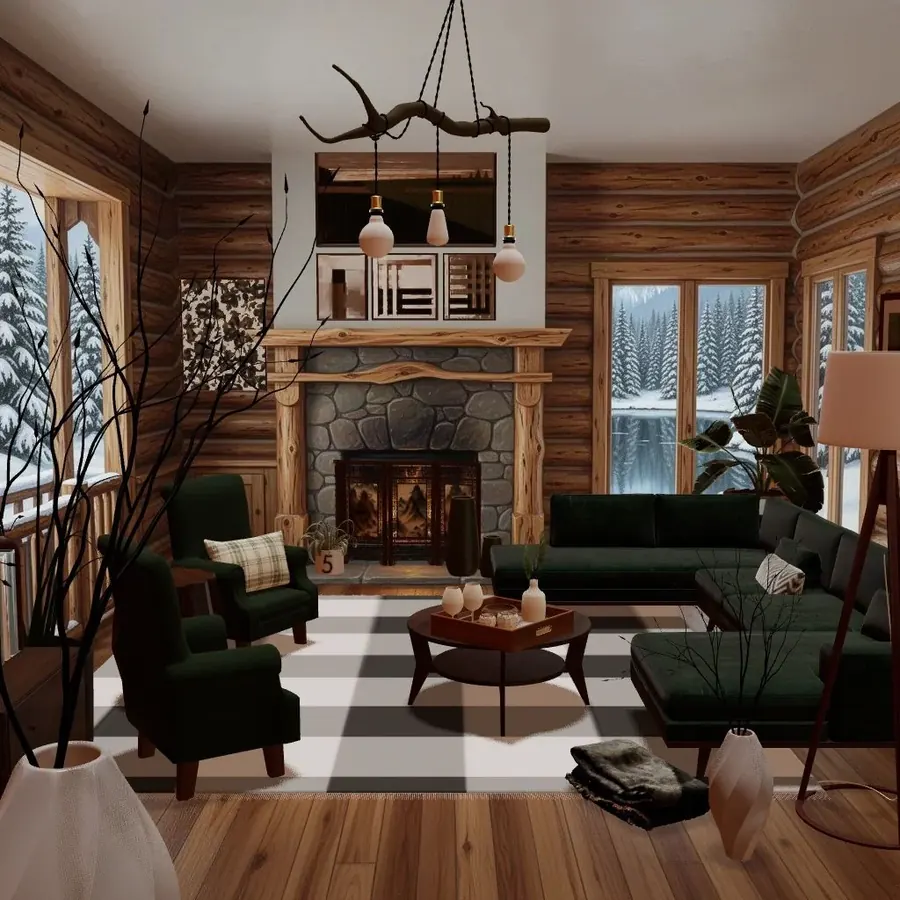
| Industrial | Raw, urban | Brick red, rust, black, cognac | Exposed brick, steel, reclaimed wood | A leather chesterfield against brick |
| Bohemian | Relaxed, collected | Ochre, terracotta, rust, deep green | Rattan, jute, macramé, patterned textiles | A rattan peacock chair and trailing plants |
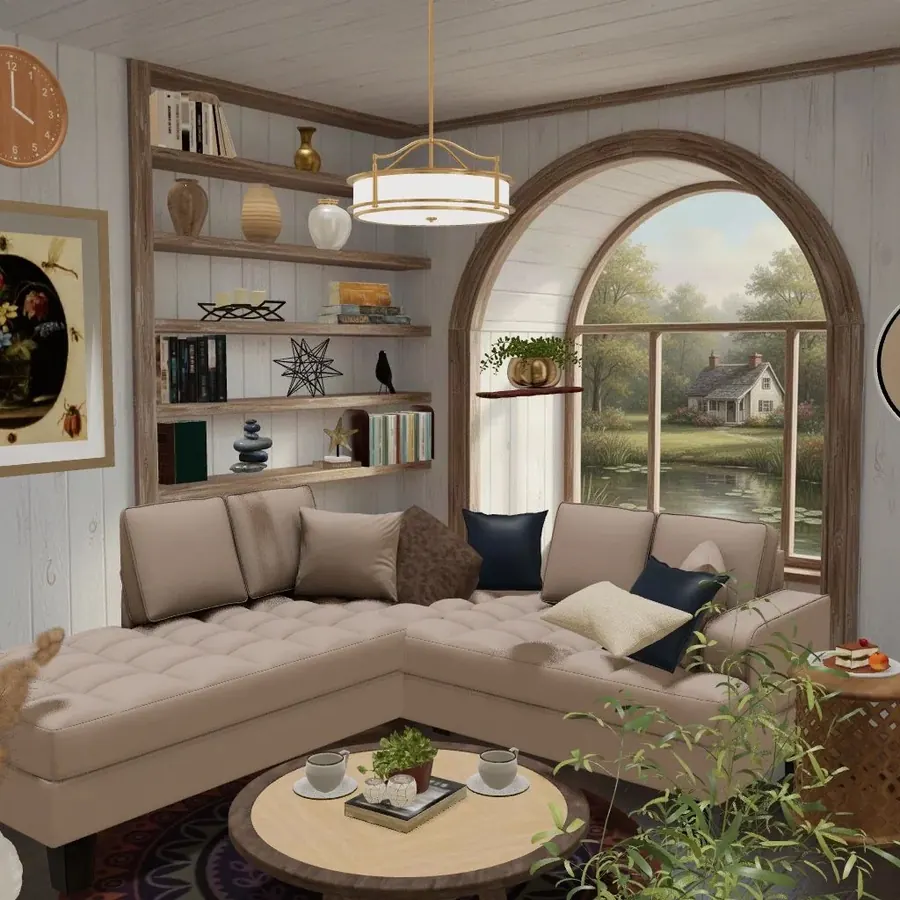
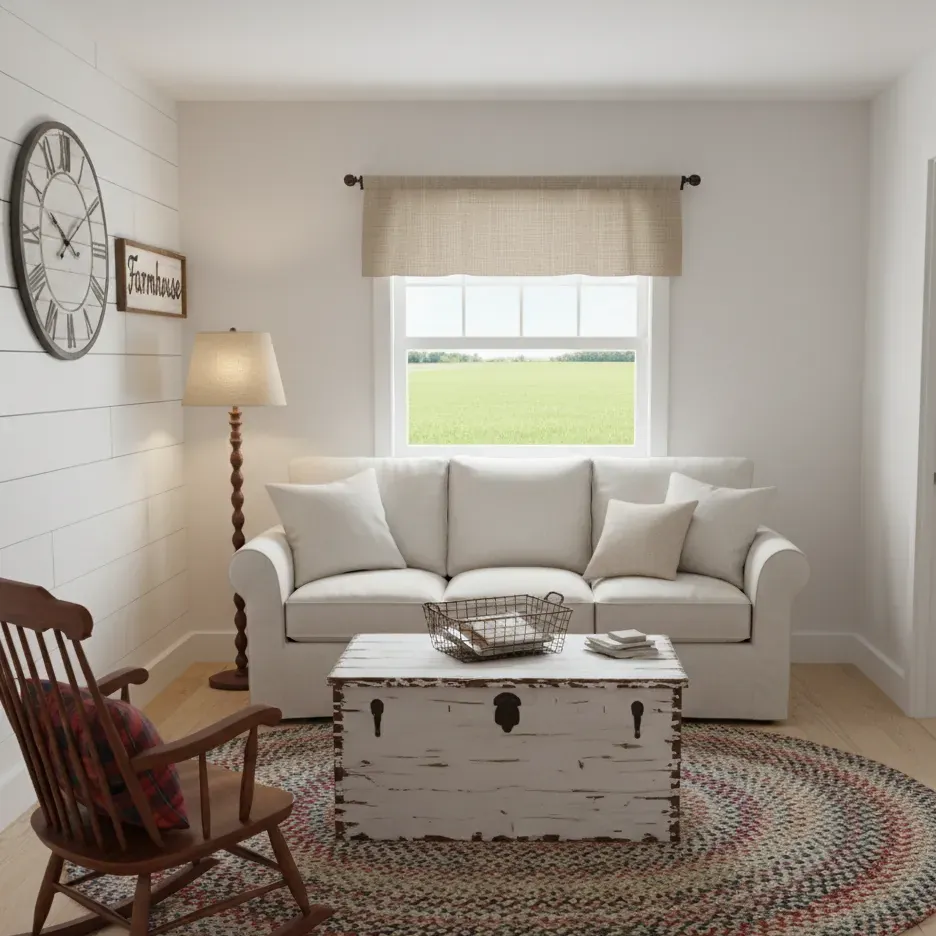
| Rustic farmhouse | Homey, lived-in | Warm white, cream, faded wood | Shiplap, distressed wood, cotton | A slipcovered sofa and a big wall clock |
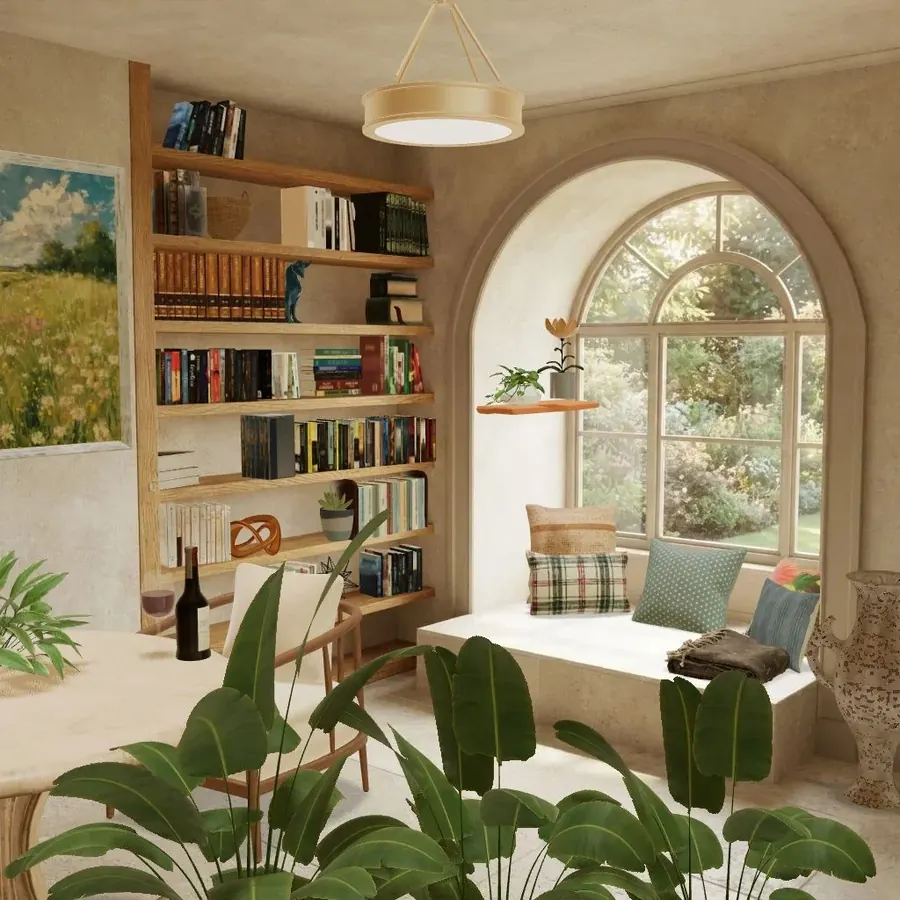
| Coastal and Mediterranean | Breezy, sunlit | White, sand, sea blue | Whitewashed wood, linen, glass | Sheer curtains and blue glass |
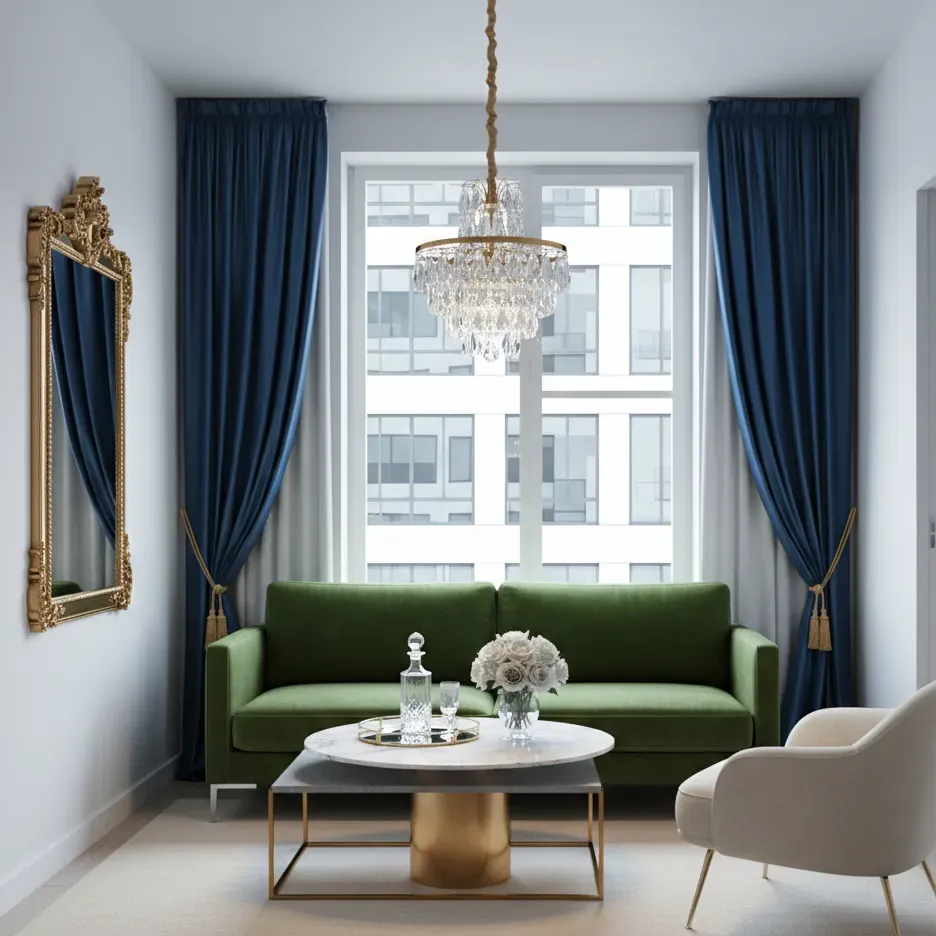
| Luxury glam | Polished, dramatic | Jewel tones with gold | Velvet, marble, brass, crystal | A velvet sofa under a chandelier |
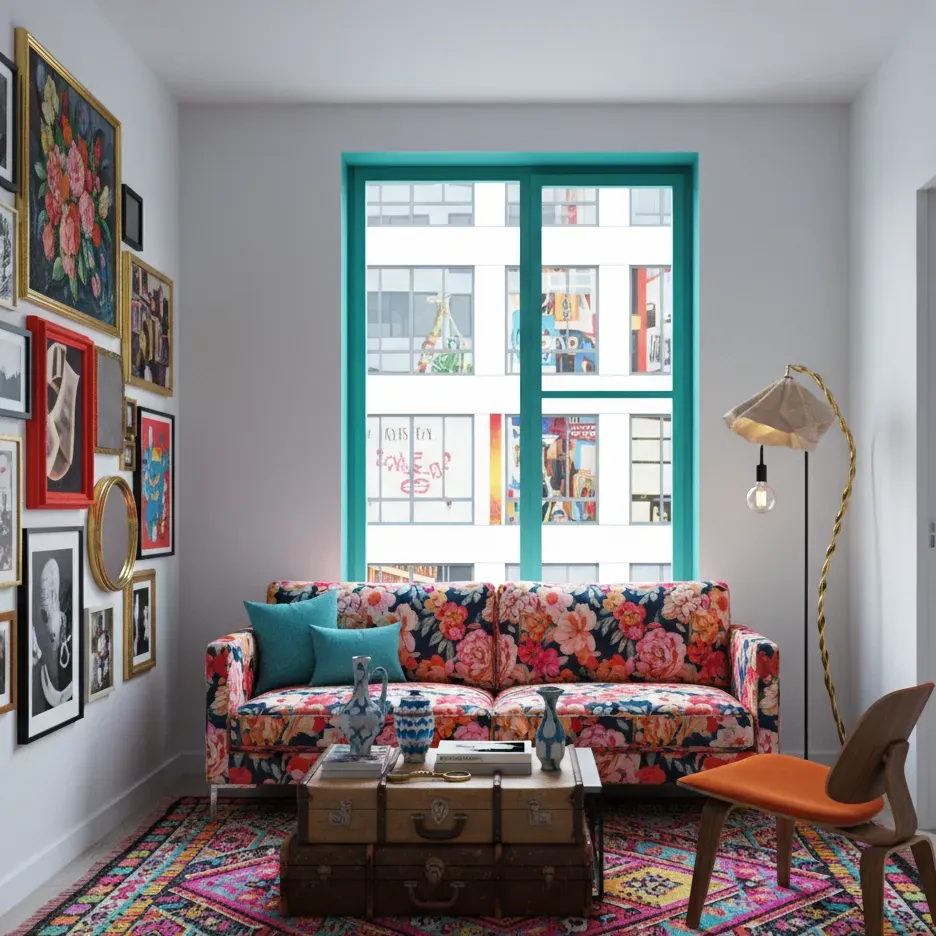
| Eclectic | Personal, bold | Anything, held together by repetition | A mix of old and new | A gallery wall and a vintage find |
How the styles relate to each other
It helps to think of the ten looks as neighbors rather than separate boxes. A few useful groupings:
The pared-back family
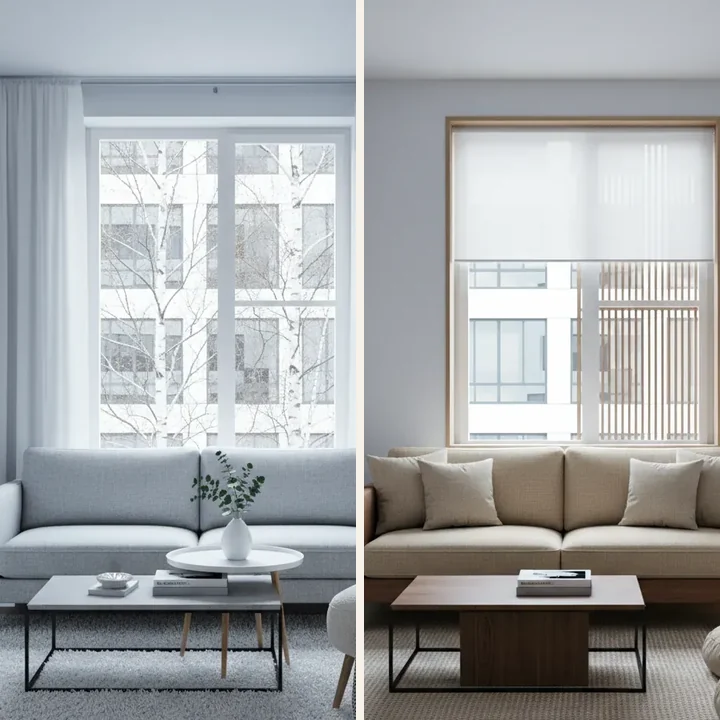
Scandinavian, Japandi and minimalist all value space and fewer things. The difference is warmth: Scandinavian adds soft textiles and pale wood, Japandi adds darker wood and a handmade, slightly imperfect feel, and minimalism strips back even further, sometimes to the point of feeling gallery-like.
The bold, graphic family
Modern and glam both like strong contrast and statement pieces. Modern gets its drama from shape and clean materials (chrome, glass, leather); glam gets it from richness (velvet, gold, crystal). Industrial sits nearby, but its materials are rougher and older.
The warm and collected family
Bohemian, eclectic and rustic farmhouse all look gathered over time rather than bought in one go. Boho leans toward travel, plants and craft; eclectic is about confident clashes of color and pattern; farmhouse is about comfort and practical, worn-in pieces.
The light-and-air family
Coastal and Mediterranean rooms share a love of daylight, white walls and blue accents with Scandinavian, but they feel warmer and looser, as if the windows are always open.
How to find your own style
Style labels are useful for searching and shopping, but they’re a tool, not a test you have to pass. This method works whether you end up with a textbook Japandi room or something without a name.
1. Save images without judging them
Spend a week saving every room photo that makes you stop scrolling: from magazines, social media, hotels, friends’ homes. Aim for 20 to 30. Don’t filter by style or budget yet, and don’t save a room just because you think you should like it.
2. Look for what repeats
Lay the images out together and ask specific questions:
- Wood: are the floors and furniture mostly pale, mid-tone or dark?
- Fullness: are surfaces bare, or covered in books, plants and objects?
- Color: mostly neutral, or is there a color that keeps showing up?
- Shapes: curvy and soft, or straight and angular?
- Texture: smooth and polished, or rough, woven and handmade?
Three or four clear answers usually point straight at one or two of the styles in the table above. If your images are all pale wood, bare surfaces and soft textiles, you’re somewhere between Scandinavian and Japandi. If they’re full of plants, pattern and rattan, you’re leaning boho.
3. Start from one piece you love
Rather than designing a whole room on paper, pick one thing you already own or really want: a rug, a painting, a vintage chair. Let it set the colors and the mood, then choose everything else to support it. This is how a lot of designers work, and it stops a room feeling like a showroom copy.
4. Mix two styles, roughly 80/20
Most homes that feel personal are a blend. Pick a base style for the expensive, hard-to-change things (sofa, flooring, wall color, big storage), then use a second style for about a fifth of the room: lighting, cushions, a rug, art. Some combinations that work well:
- Scandinavian base with bohemian textiles and plants
- Modern base with a few industrial metal pieces
- Japandi base with one minimalist rule: keep surfaces clear
- Farmhouse base with a coastal color palette
The 80/20 split is a guide, not a rule. The point is that one style clearly leads, so the room reads as intentional.
5. Test before you buy
The expensive mistakes happen when you commit to a sofa or a wall color before you know how the whole room will look. Mood boards help, and so does trying a look in a 3D room first, which is where a design game can be surprisingly useful (more on that below).
Common mistakes when choosing a style
- Buying a full matching set. A sofa, armchair and coffee table from one catalog page rarely looks like any style; it looks like a shop. Mix sources.
- Following a trend you don’t actually like. If you hate clutter, a maximal boho room will stress you out, however good it looks online.
- Ignoring the room itself. A dark north-facing room fights an all-white Scandinavian scheme; a tiny flat struggles with heavy glam furniture. Let the light and size steer you.
- Changing style piece by piece with no base. Every new purchase pulls the room in a different direction. Decide on the base style first, then add.
- Forgetting lighting. Each style has its typical lamps, from paper lanterns to Edison bulbs to crystal. One overhead light flattens any look.
Try the styles in Cozee
Cozee is a free interior design game for iPhone and Android, and it’s a low-stakes way to experiment with all ten looks. Every room (a “Space”) starts empty, and you furnish it with real 3D furniture and decor: sofas, rugs, lamps, plants, art. You drag pieces in, move and rotate them, and can style the same room Scandinavian one day and glam the next. The style images in this guide are all the same living room in Cozee, styled ten different ways.
When you submit a design, other players rate it, and you can see how other players designed the same Space, which is a quick way to notice what makes a look work. If you’re new, the beginner’s guide explains how to get started, and the style guides go deeper into each look.
Questions people ask
What are the main interior design styles?
The looks people name most often are Scandinavian, Japandi, minimalist, modern, industrial, bohemian, rustic farmhouse, coastal, glam and eclectic. Many others exist (traditional, art deco, mid-century modern, French country), but these ten cover most homes you see today.
How do I figure out my interior design style?
Collect 20 to 30 images of rooms you love without thinking about style names, then look for what repeats: the same wood tone, the same amount of clutter, the same colors. Those repeats are your style, whatever it is called. A quiz can give you a starting label to research.
Can you mix two interior design styles?
Yes, and most good rooms do. Pick one style as the base for the big pieces and walls, and borrow the second through smaller things like lighting, textiles and art. A rough 80/20 split keeps the room from looking confused.
What is the difference between modern and contemporary style?
Modern refers to a specific design movement from the early and mid 20th century, with clean lines and honest materials. Contemporary simply means what is current right now, so it keeps changing. A contemporary room today often borrows from modern, which is why the two get mixed up.
Try it in an empty room first
Cozee is a free interior design game for iPhone and Android. Pick an empty 3D room, fill it with real furniture, and see what the community thinks.
4.7 on the App Store · Free, with optional in‑app purchases