


On this page 8 sections
You find your interior design style by noticing what you’re already drawn to, not by picking a label off a list. Collect images of rooms you love, look for what repeats, name the patterns, check them against how you really live, and then try the look in small, low-risk ways. The label (Japandi, Scandinavian, Eclectic) comes last, as a useful shorthand, not as a set of rules. Here’s a step-by-step method that works even if you think you have no taste at all.
Step 1: collect without judging
For a week or two, save every room that makes you stop scrolling. Use a Pinterest board, a phone folder, magazine pages, photos from hotels, cafés and friends’ homes. Aim for at least 30 images, because patterns only appear in numbers.
Some rules for this stage:
- Save whole rooms, not single objects. A beautiful chair tells you little. A room tells you how color, light and furniture work together.
- Don’t edit yet. If you love a room and can’t explain why, save it anyway. That’s exactly the kind of image that teaches you the most.
- Save the rooms you dislike too, in a separate folder. Knowing what you don’t want is often clearer than knowing what you do.
Step 2: look for what repeats
Now lay all the images out, or scroll through them in one go, and look for patterns. Ask the same questions of every image:
| Question | What to look for |
|---|---|
| Light or dark? | Pale walls and floors, or deep colors and moody rooms? |
| Warm or cool? | Creams, wood and terracotta, or greys, whites and blues? |
| Full or empty? | Shelves packed with books and objects, or a few things with space around them? |
| Curved or straight? | Rounded sofas and arches, or crisp lines and square edges? |
| Old or new? | Vintage pieces and patina, or clean, new and smooth? |
| Pattern or plain? | Rugs, wallpaper and prints, or texture and solid colors? |
| Which wood? | Pale oak and birch, mid-tone walnut, dark wood, painted or none? |
Write down the answers that come up again and again. Most people find three or four very consistent ones. Something like “warm, quite empty, pale wood, curved shapes” is already a style.
The rooms you rejected matter just as much. If every room you disliked is dark, or busy, or full of chrome, cross that off for good.
Step 3: name it
Now match your patterns to style words. Names are useful because they unlock more inspiration and help you shop.
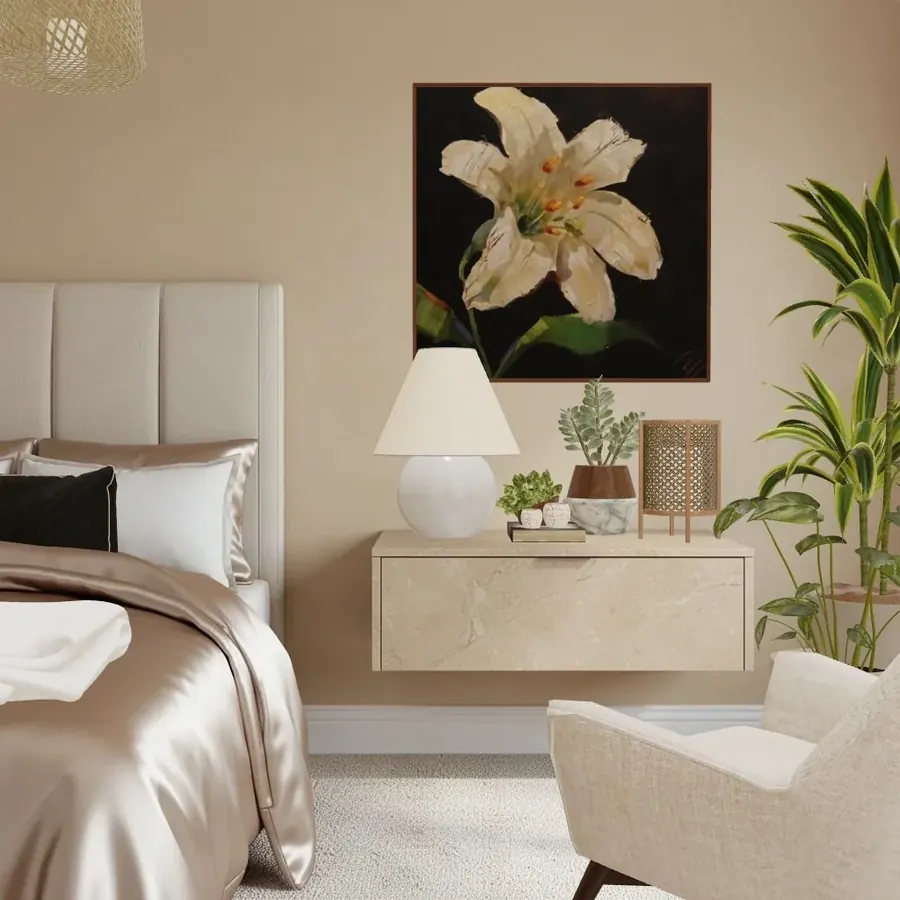
- Warm, calm, low furniture, natural materials, little on show: probably Japandi.
- Bright, pale wood, white walls, cozy textiles: Scandinavian.
- Plants, rattan, layered rugs, warm earth colors: Bohemian.
- Brick, leather, black metal, big windows: Industrial.
- Clean lines, strong contrast, one bold piece: Modern.
- Very few things, calm surfaces, quality over quantity: Minimalist.
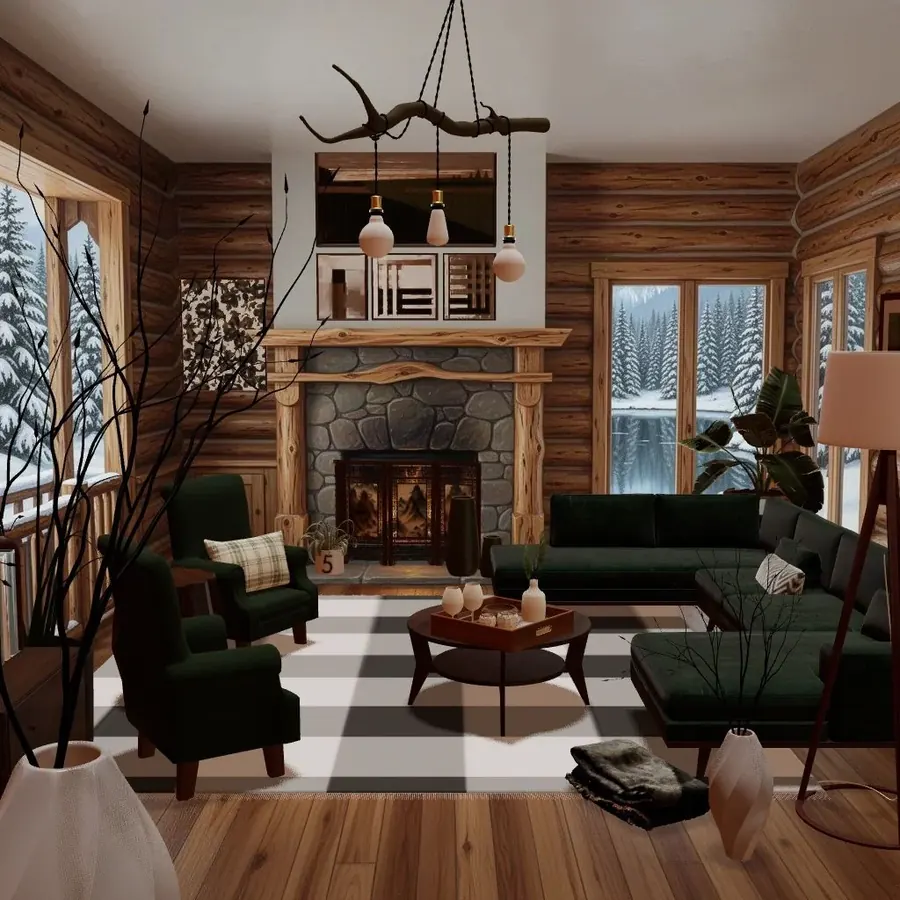
- Worn wood, vintage finds, comfort first: Rustic farmhouse.
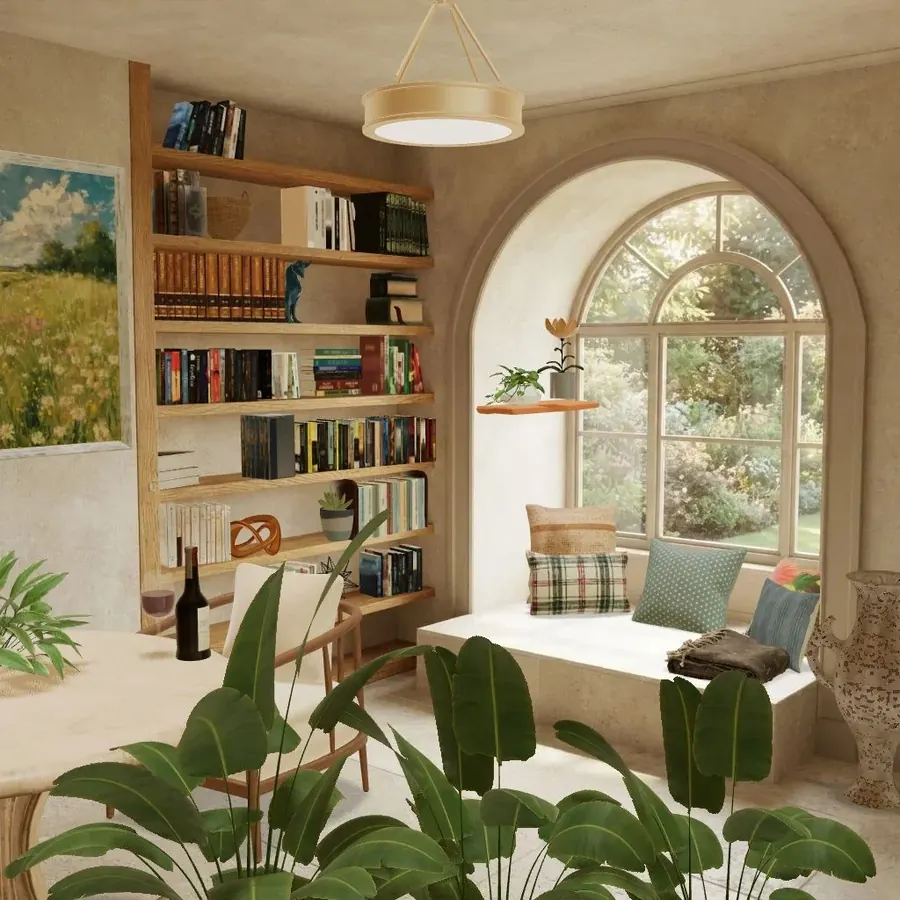
- Whites, sea blues, linen, sun-bleached wood: Coastal Mediterranean.
- Velvet, brass, chandeliers, jewel tones: Luxury glam.
- Color, pattern, art and mixed eras: Eclectic.
If you land between two, that’s normal. Our guide to interior design styles compares all ten side by side, and the design style quiz gives you a starting point in about a minute.
Step 4: check it against your real life
A style has to work for the way you actually live, not just look good in pictures.
- Who lives here? Children and pets push you toward washable fabrics, rounded corners and fewer fragile objects. That can still be Japandi or glam, just a tougher version of it.
- How much stuff do you own? If you love minimalist rooms but own three hundred books, you need a style with good storage, or a warmer version like Scandinavian.
- How much light do you get? Very pale palettes can look grey in a dim north-facing room. Darker, warmer schemes often suit low light better. Our guide on how to read a room covers this in detail.
- How much upkeep do you want? White linen sofas, polished brass and open shelving all need looking after.
- What do you already own and love? A grandparent’s dresser or a favorite rug is a better starting point than any trend.
Step 5: try it before you commit
Before you buy a sofa or repaint a room, test the direction in small, reversible ways:
- Change the textiles. Cushions, a throw and curtains in your new palette show you quickly whether you love living with it.
- Style one surface. Make one shelf or one sideboard look the way you imagine the whole room. See our guide on how to style shelves.
- Paint a test patch, or a single wall, and look at it in morning, afternoon and evening light.
- Visit the style in real life. Cafés, hotels and shops are often designed in a clear style. Spend an hour in one and see how you feel.
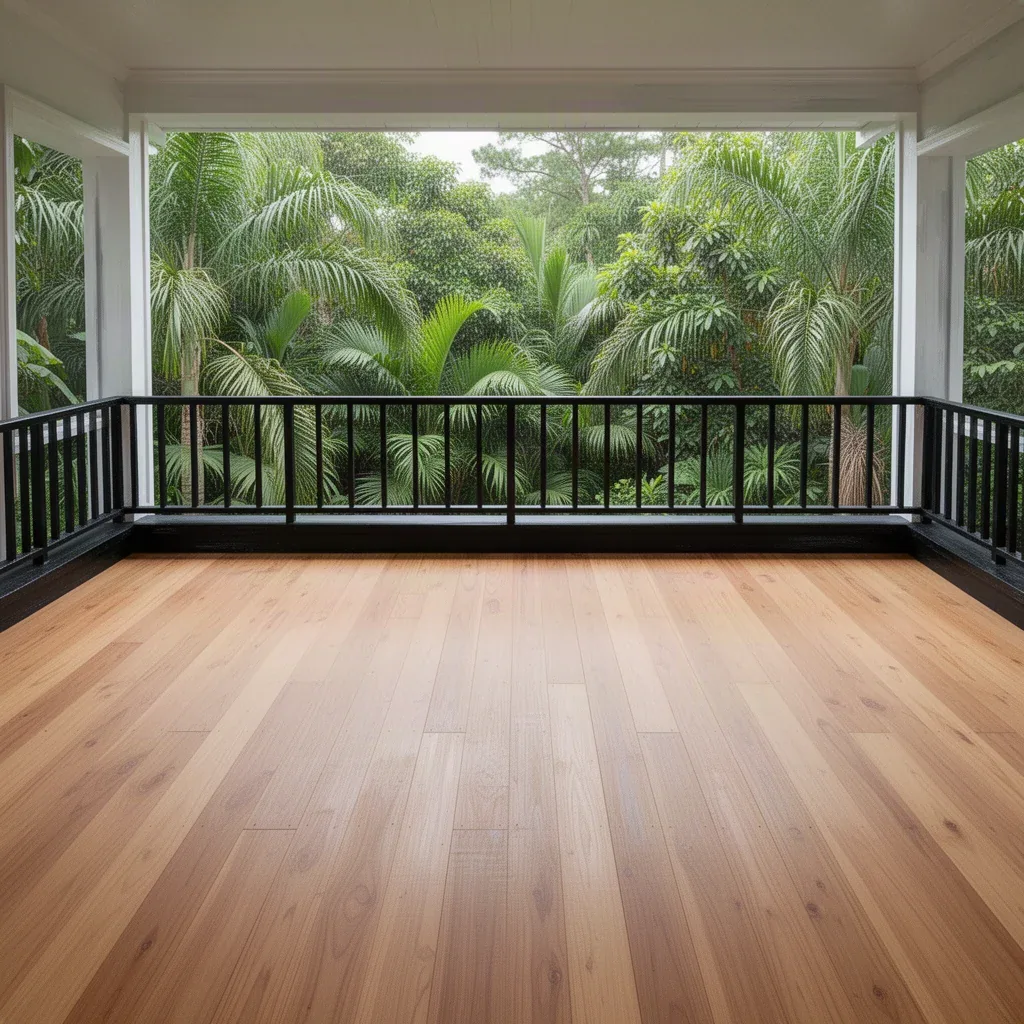
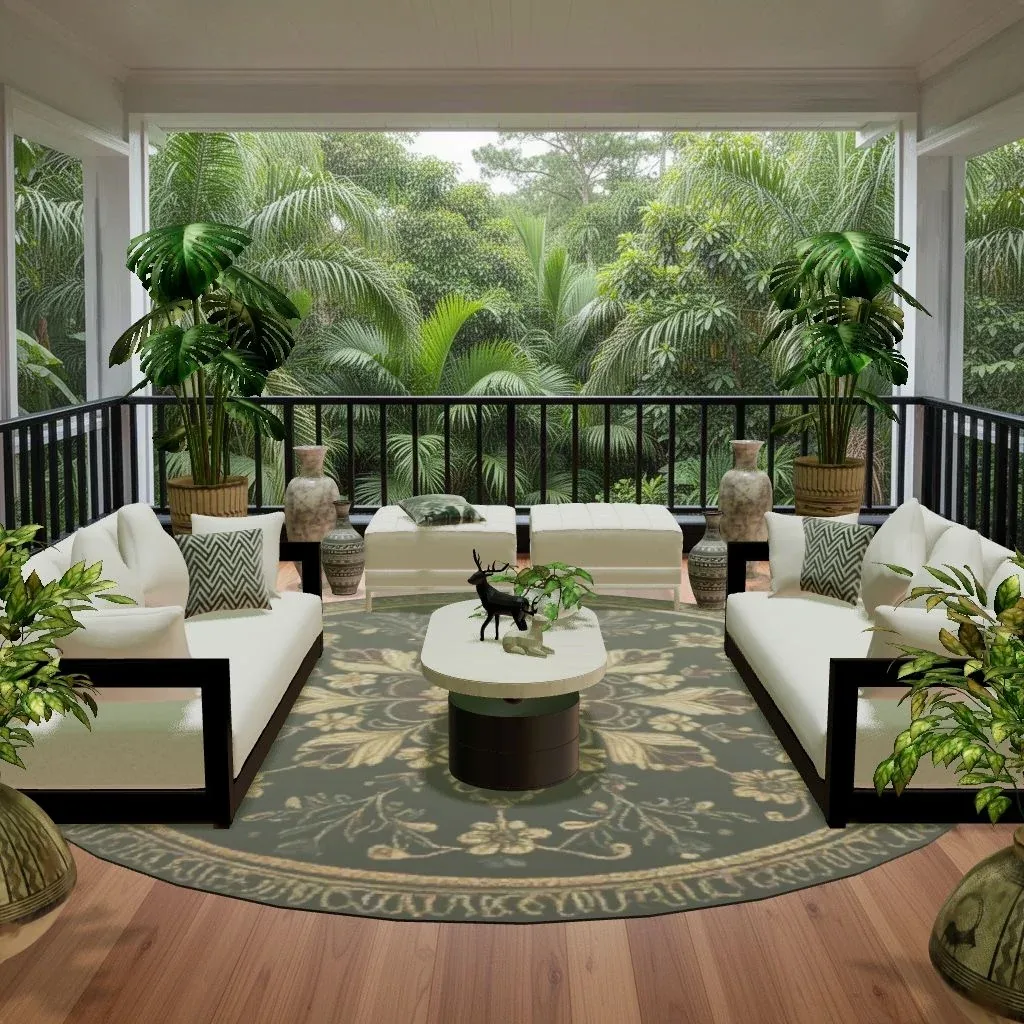
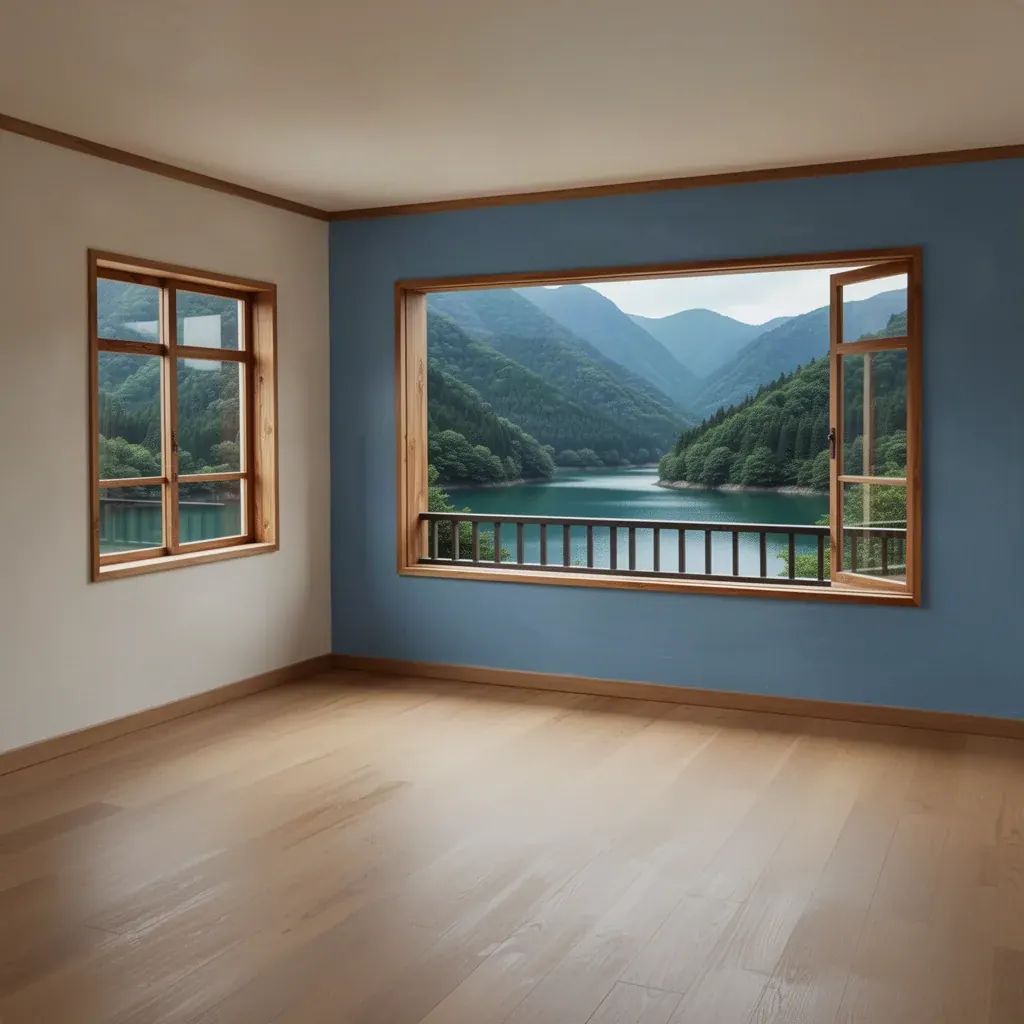
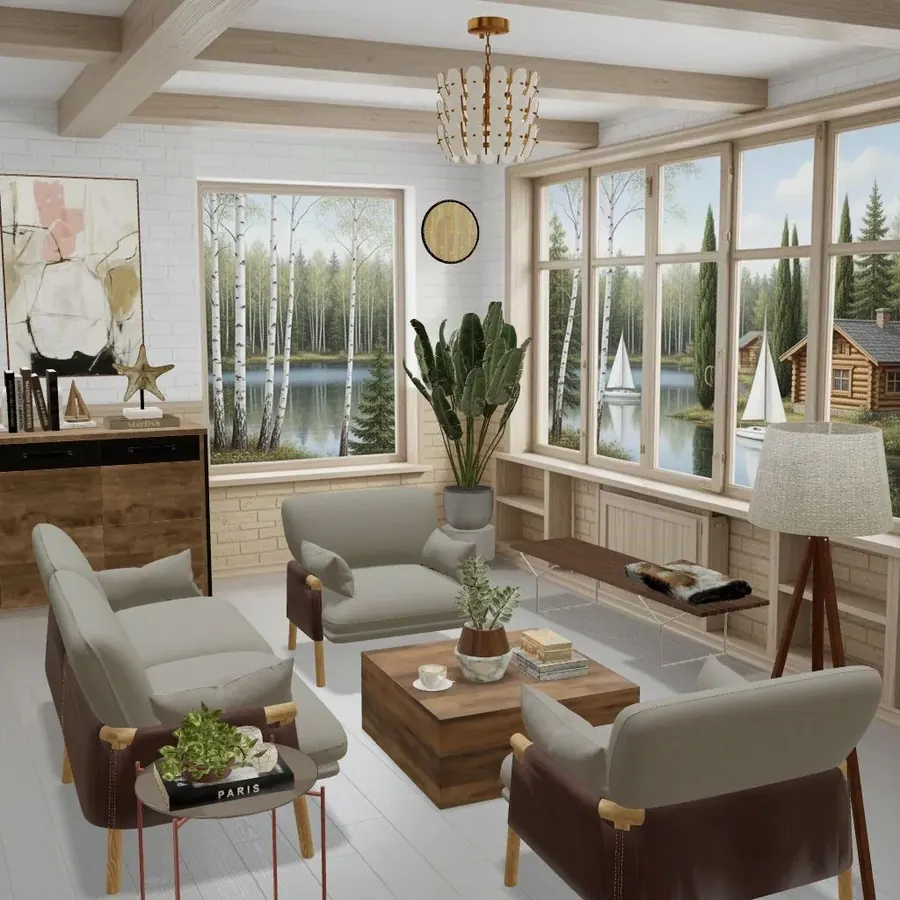
- Design it virtually. Arranging an empty room in the style costs nothing, and you can try three versions in an evening.
Mixing styles: the 80/20 idea
Very few beautiful homes are one pure style. A useful rule of thumb is to let one style lead most of the room and borrow a smaller share from a second. Think of a Scandinavian room with a Japandi coffee table and a paper lantern, or a modern room with a few vintage rustic pieces for warmth.
To keep a mix looking intentional:
- Keep one thing constant: the wood tone, the color palette or the metal finish.
- Repeat the borrowed style at least twice, so it reads as a decision rather than a stray piece.
- Watch the proportion. If the borrowed style creeps past about a third of the room, it stops being an accent and starts competing.
Common mistakes when finding your style
- Copying a single photo exactly. It rarely translates, because your room, light and life are different. Copy the principles instead.
- Choosing from trends. If a look is everywhere this year, ask whether it appears in your saved images from years ago too.
- Buying everything at once. A room collected over time has more personality. Start with the big pieces that match your long-term patterns.
- Ignoring what you rejected. Your “no” folder is often more decisive than your “yes” folder.
Try it in Cozee
If you want to test a style before spending anything, Cozee is a free interior design game for iPhone and Android. Every room starts empty and you furnish it with real 3D furniture, so you can style the same Space Scandinavian one day and glam the next, and see how other players styled it too. For a quick look at one room in ten styles, try Set the mood right in your browser.
Questions people ask
How do I figure out my interior design style?
Collect thirty or more images of rooms you love without judging them, then look for what repeats: colors, wood tones, shapes, how full the rooms are. Name those patterns with style words, check them against how you really live, and try the look in a small, low-risk way before committing.
Can I mix two interior design styles?
Yes, and most good rooms do. A useful approach is to let one style lead and borrow a few elements from a second, for example a mostly Scandinavian room with a couple of Japandi touches. Keep one or two things consistent across both, such as the wood tone or the color palette.
What if I like everything?
That usually means you’re reacting to individual objects rather than whole rooms. Sort your images by whole-room feeling instead, and ask which ones you’d actually want to wake up in. The clearest patterns usually show up in what you reject.
Do I have to stick to one style forever?
No. Tastes change, and a home that has evolved over years usually looks better than one done all at once. Invest in pieces that suit your long-term patterns (good shapes, natural materials) and let trendier ideas live in things that are easy to change, like cushions, art and paint.
Try it in an empty room first
Cozee is a free interior design game for iPhone and Android. Pick an empty 3D room, fill it with real furniture, and see what the community thinks.
4.7 on the App Store · Free, with optional in‑app purchases